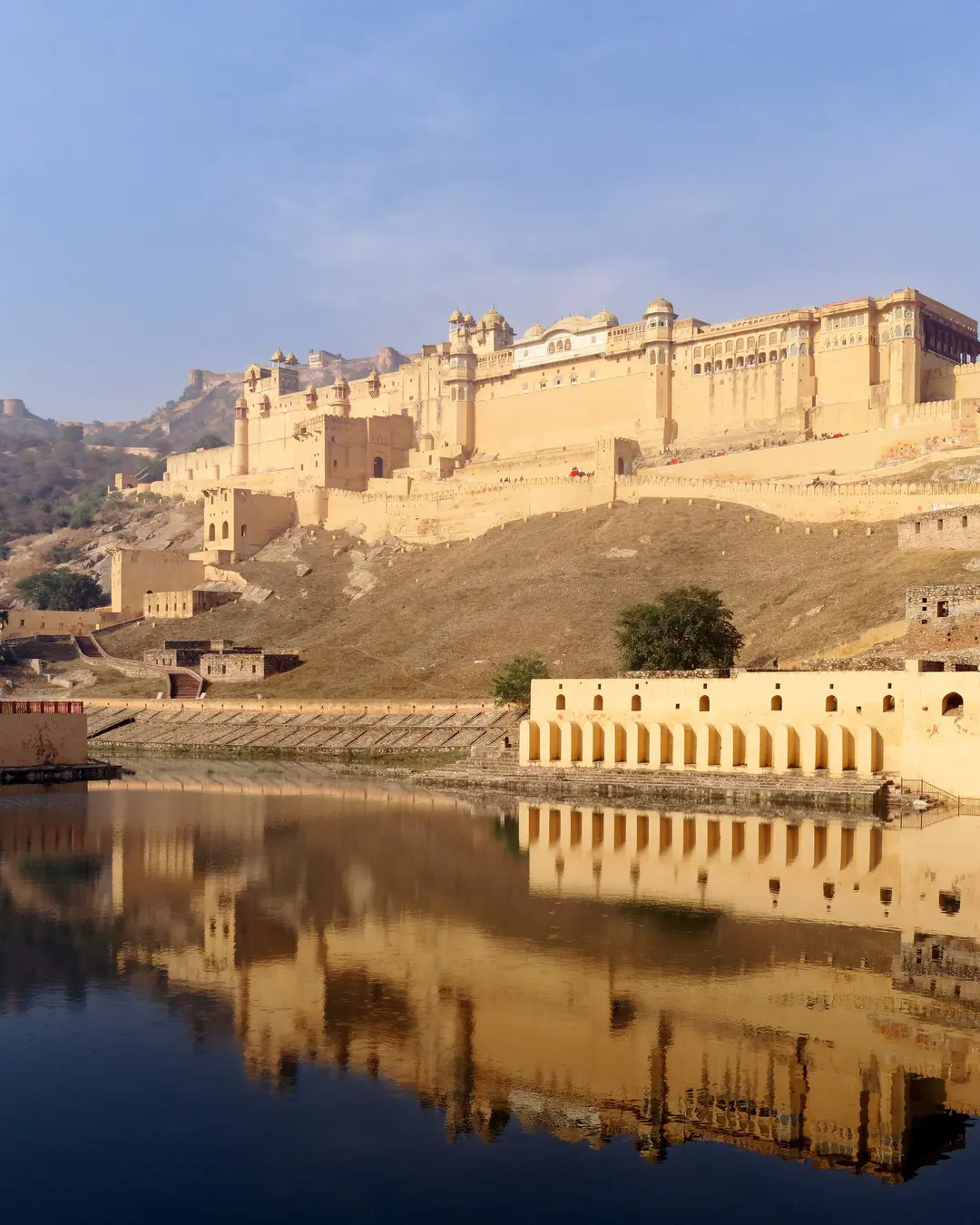
A living-heritage walk
Jaisalmer Fort is not a museum frozen behind a boundary; it is a living neighbourhood. As I walk its narrow lanes, carved façades and shrines sit alongside homes and shops. The golden sandstone catches the light, but I try to remember that people live here and that considerate visitors help protect a fragile historic place.
A travel-vlogger’s story
Jaisalmer Fort glows like a golden ship above the desert city, especially when the sunlight catches its sandstone walls. Inside, the narrow lanes are not frozen in time: people live, work, worship and welcome visitors within the fort. I would wander slowly, noticing the carved façades and the everyday life tucked between historic buildings. That living character makes the fort special, but it also means visitors should be mindful of water use, waste and the fragility of the old structure.
Fascinating facts i can tell you of
- Rawal Jaisal founded the fort in 1156.
- It is often called Sonar Quila or the Golden Fort because of its sandstone.
- It remains a living fort with residents, shops, temples and guesthouses.
- Its elevated position helped protect trade routes through the desert region.
My tips to travellers
Explore on foot, visit historic temples respectfully and choose low-impact practices that help protect the fort’s fragile infrastructure.