Point 01 / 14
What to Know When Getting Ready for an Ecotourism Holiday
Before choosing an ecotourism holiday, understand what responsible travel means for the destination. Look beyond attractive scenery and consider the conservation work, community participation and environmental practices connected with your trip.
- Understand the destination's ecosystem, culture and environmental challenges.
- Look for destinations that actively support nature conservation.
- Choose eco-certified or genuinely environmentally responsible accommodation where possible.
- Prefer local guides and locally operated experiences.
- Learn about local customs, communities and protected areas before travelling.
- Minimise single-use plastic and unnecessary waste.
- Use water and electricity responsibly, especially in remote areas.
- Respect wildlife and natural habitats.
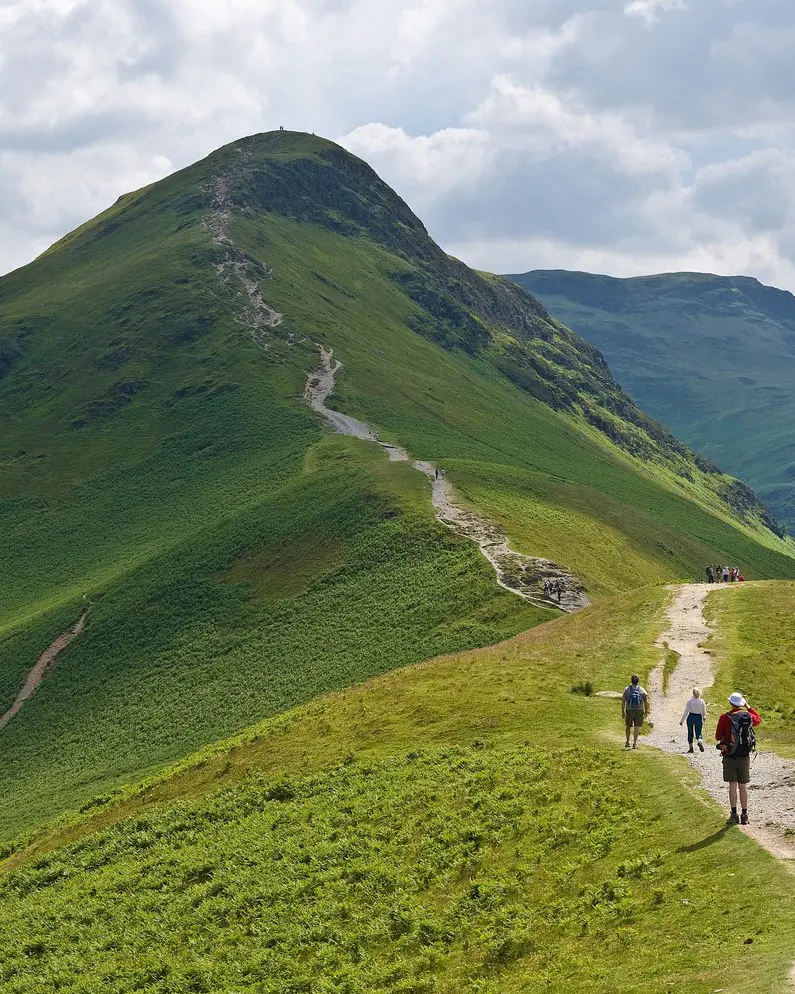
- Stay on designated trails and follow park regulations.
- Avoid activities that exploit, feed, chase, touch or deliberately disturb wildlife.
- Consider the environmental impact of transportation.
- Carry reusable travel essentials.
- Support local artisans, restaurants and community businesses.
Point 02 / 14
Ecotourism Holiday Ideas in India
India offers a wide variety of nature-based settings where responsible tourism can be combined with local culture and community experiences.
- Kerala
- Sikkim
- Meghalaya
- Arunachal Pradesh
- Uttarakhand
- Ladakh
- Andaman & Nicobar
- Lakshadweep
- Goa
- Western Ghats
Point 03 / 14
Ecotourism Holiday Ideas Around the World
- Costa Rica
- New Zealand
- Bhutan
- Norway
- Iceland
- Kenya
- Tanzania
- Galápagos
- Borneo
- Madagascar
- Australia
Point 04 / 14
5 Tips to Help You Choose the Best Travel Plan for an Ecotourism Holiday
1. Look Beyond the Word "Eco"
An accommodation calling itself an eco-resort does not automatically mean the entire holiday is sustainable. Look for evidence of responsible practices.
- Conservation programmes
- Waste-management practices
- Renewable energy
- Water conservation
- Local employment
- Community involvement
- Environmental certifications
2. Choose Locally Owned Experiences
Consider local guides, homestays, community tourism, local restaurants, village experiences and locally made handicrafts. These choices can help tourism expenditure reach the communities hosting travellers.
3. Select the Right Destination
Look for destinations where conservation and tourism are already integrated. The destination's overall approach matters just as much as the accommodation you choose.
4. Choose Low-Impact Activities
- Hiking
- Cycling
- Kayaking
- Birdwatching
- Nature walks
- Forest interpretation
- Responsible wildlife observation
- Community visits
5. Consider the Entire Journey
An eco-friendly hotel does not necessarily make a long-distance trip low-impact. Consider the complete journey: transport, accommodation, activities, food, waste and local economic impact.
Point 05 / 14
What to Pack — and What to Avoid
Pack
- Reusable water bottle
- Reusable coffee cup
- Cloth or reusable shopping bag
- Refillable toiletries
- Biodegradable or low-impact personal-care products where appropriate
- Lightweight reusable cutlery
- Comfortable walking shoes
- Reusable food container
- Sun protection
- Insect repellent
- Quick-dry clothing
- Rain jacket
- Small daypack
- Binoculars
- Camera
- Power bank
- Personal medicines
- Basic first-aid kit
Avoid Unnecessary Items
- Large quantities of disposable plastic
- Excessive packaged snacks
- Single-use bottles
- Disposable cutlery
- Excessive clothing
- Products prohibited in protected areas
- Items that could disturb wildlife
For remote destinations, be prepared to carry your waste back with you when appropriate rather than assuming waste-management facilities will always be available.
Point 06 / 14
5 Unique Facts About Ecotourism
1. Ecotourism Is More Than Nature Tourism
A nature holiday becomes closer to ecotourism when it incorporates conservation, education, local communities and responsible visitor behaviour.
2. Local Communities Can Be Central to the Experience
Homestays, community guides, local food, handicrafts and community-run tourism can connect travellers directly with the destination and its people.
3. Small Experiences Can Have a Large Local Impact
A locally operated walking tour, village experience or homestay can distribute tourism income differently from a completely internationalised tourism operation.
4. Wildlife Tourism and Ecotourism Are Not Identical
A wildlife safari may be nature-based, but ecotourism additionally considers how the tourism activity affects the environment and communities.
5. "Eco" Does Not Automatically Mean Sustainable
Travellers should look at actual practices rather than relying solely on marketing terminology. Responsible choices are based on what a destination or business actually does.
Point 07 / 14
8 Essential Guidelines for Your First Ecotourism Holiday
01 — Research the destination
Understand its ecosystem, local culture, protected areas and environmental challenges.
02 — Choose responsible accommodation
Look for genuine sustainability initiatives rather than relying only on the eco label.
03 — Respect local communities
Learn basic local etiquette and ask before photographing people or entering culturally significant places.
04 — Follow wildlife guidelines
Never feed, chase, touch or deliberately disturb wild animals.
05 — Reduce waste
Carry reusable alternatives and avoid unnecessary packaging.
06 — Conserve resources
Use water and electricity responsibly, particularly in remote destinations.
07 — Buy locally
Choose locally produced food, crafts and services where practical.
08 — Leave no trace
Aim to leave the destination as you found it — or better.
Point 08 / 14
5 Best Ecotourism Destinations in India
Kerala
Backwaters, forests, responsible tourism initiatives, village experiences and nature-based stays.
Sikkim
Himalayan landscapes, monasteries, villages, trekking and nature experiences.
Meghalaya
Waterfalls, forests, caves, living root bridges and community-based experiences.
Uttarakhand
Himalayan villages, forests, trekking and nature retreats.
Andaman & Nicobar
Marine ecosystems, beaches, forests and island-based nature experiences.
Point 09 / 14
5 Ecotourism Destinations Around the World
Costa Rica
Rainforests, biodiversity, national parks and nature-based tourism.
Bhutan
Mountain landscapes, cultural experiences and a strong conservation-oriented tourism identity.
New Zealand
National parks, hiking, marine environments and outdoor experiences.
Galápagos Islands
Exceptional biodiversity and tightly managed nature tourism.
Borneo
Rainforests, orangutans, indigenous communities and exceptional biodiversity.
Point 10 / 14
7 Ways to Travel to Ecotourism Destinations on a Budget
- Choose locally owned accommodation. Homestays and guesthouses can provide value as well as a more local experience.
- Travel in the shoulder season. You may find better accommodation rates while avoiding peak tourist pressure.
- Use public transportation where practical. This can reduce both cost and reliance on private transfers.
- Join small-group experiences. Shared nature walks, excursions and guides can reduce per-person costs.
- Eat locally. Local restaurants and markets are often less expensive than tourist-oriented establishments.
- Choose one region rather than constantly moving. Fewer transfers can reduce expenses and the environmental footprint of the holiday.
- Spend on experiences rather than unnecessary luxury. A local guide, nature walk, conservation experience or community activity can add more value than simply upgrading a hotel room.
Point 11 / 14
Top 10 Ecotourism Experiences You Shouldn't Miss
India
- Responsible wildlife experiences in Kerala
- Community-based tourism in Sikkim
- Living root bridge experiences in Meghalaya
- Himalayan village experiences in Uttarakhand
- Mangrove and nature experiences in the Sundarbans
- Marine conservation experiences in Andaman & Nicobar
- Forest and tribal culture experiences in Odisha
- Western Ghats nature experiences
- Responsible homestay experiences in Northeast India
- Eco-friendly backwater experiences in Kerala
International
- Rainforest conservation experiences in Costa Rica
- Community and nature experiences in Bhutan
- Wildlife conservation in Kenya
- Rainforest and orangutan experiences in Borneo
- Marine conservation in the Galápagos
- Nature and Māori cultural experiences in New Zealand
- Sustainable wilderness experiences in Australia
- Rainforest and wildlife experiences in Madagascar
- Arctic nature experiences in Norway
- Responsible safari experiences in Tanzania
Point 12 / 14
Explore Ecotourism by Travel Style
Eco-Resort Holidays
Eco-lodges, forest resorts, sustainable resorts, nature camps and wilderness lodges.
Community-Based Tourism
Village stays, homestays, community tours, local guides and indigenous or community experiences.
Conservation & Wildlife
Wildlife conservation, responsible safaris, conservation experiences, wildlife research experiences and protected areas.
Forest & Rainforest
Rainforest, jungle, mangroves, forest trekking and biodiversity.
Birding & Biodiversity
Birdwatching, endemic species, wetlands, butterfly watching and nature photography.
Marine Ecotourism
Coral reefs, whale watching, dolphin watching, marine conservation, responsible diving and snorkelling.
Low-Impact Adventure
Hiking, trekking, cycling, kayaking, canoeing and nature walks.
Sustainable Farm & Food Experiences
Organic farms, farm stays, local food, plantation tours and sustainable agriculture.
Eco-Wellness
Forest retreats, nature wellness, yoga, Ayurveda, meditation and digital detox.
Eco-Expeditions
Himalayas, Arctic, Antarctica, remote islands and wilderness expeditions.
Point 13 / 14
Find the Right Ecotourism Holiday for You
Ecotourism can be adapted to different interests and comfort levels. A family may prefer an accessible nature stay and gentle guided walks. Couples may enjoy a community homestay, forest retreat or eco-lodge. Solo travellers can choose small-group nature experiences or local guides. Photography travellers can build a trip around biodiversity and landscapes. Active travellers can combine responsible travel with hiking, trekking, cycling, kayaking or canoeing.
The most important question is not simply, “Where can I see nature?” It is, “How can I experience this place while respecting its environment and communities?” That shift in perspective is at the heart of responsible ecotourism.
Point 14 / 14
Plan a More Responsible Holiday
A thoughtful ecotourism holiday begins before you leave home. Research the destination, understand its protected areas and local customs, choose accommodation with meaningful environmental practices, and consider how your transportation and activities affect the destination.
During the trip, reduce waste, conserve water and energy, stay on designated trails, follow wildlife guidelines and support local businesses. Small choices — carrying a reusable bottle, eating locally, choosing a community guide or buying directly from an artisan — can make the travel experience more connected to the place.
Ecotourism does not mean giving up comfort or enjoyment. It means making travel choices that give nature and local communities greater consideration. From the backwaters and forests of Kerala to Himalayan villages, rainforest destinations, marine ecosystems and remote wilderness, responsible travel can make a holiday more meaningful while helping protect the places we come to experience.
Visa rules, entry requirements, opening hours, festival dates, prices and schedules change from time to time. Please check the latest information before you book — our team will confirm everything for your dates.