Point 01 / 14
What to Know When Getting Ready for a Desert Adventure
The first thing to understand is that deserts are not all the same. A desert holiday can involve hot sand dunes, high-altitude cold landscapes, rocky plateaus, salt flats or semi-arid terrain. The environment affects what you pack, how you travel and which activities are suitable.
- Type of desert — sandy, rocky, gravel, salt, cold or semi-arid.
- Season and expected temperatures.
- Day and night temperature differences.
- Distance from towns, medical services and other facilities.
- Accommodation type, from basic camps to luxury tented stays.
- Road, transfer and access conditions.
- Walking and activity requirements.
- Water availability.
- Mobile connectivity.
- Wildlife and environmental regulations.
- Local cultural practices.
- Available adventure activities.
- Level of remoteness.
Remember: deserts are not always hot. Hot desert adventures can be found in Rajasthan, Dubai and the Sahara; cold desert experiences include Ladakh and parts of Central Asia; salt-desert landscapes include the Rann of Kutch and Uyuni; and rocky desert adventures can be experienced in places such as Jordan and Namibia. Coastal desert landscapes also occur in parts of Namibia and the Arabian Peninsula.
Point 02 / 14
5 Tips to Help You Choose the Best Desert Adventure Plan
1. Choose the Right Desert Season
Temperature can dramatically affect a desert experience. For many hot deserts, cooler months are more comfortable for outdoor activities. For cold and high-altitude deserts, the season can determine access, weather and activity conditions.
2. Decide Between Adventure and Comfort
Choose the level of comfort that suits your travel style. Options can include basic desert camps, traditional tents, luxury tented camps, glamping, desert lodges, boutique desert resorts and expedition-style camping.
3. Match Activities to Your Interests
A desert itinerary can be built around very different experiences.
- Camel safari and camping
- Dune bashing, sandboarding and quad biking
- Wildlife, photography and stargazing
- Cultural experiences and traditional food
- 4×4 road journeys and desert expeditions
You can choose one main theme or combine several for a more varied desert holiday.
4. Consider the Remoteness
A desert camp 30 minutes from a town is very different from an expedition several hours from the nearest settlement. Make sure you understand access, transfers, communications and emergency arrangements before choosing a remote itinerary.
5. Check What the Full Package Includes
For remote desert trips, confirm whether the plan includes transfers, meals, water, activities, guides, camping equipment, permits and emergency support. Knowing what is included helps you compare itineraries more realistically and avoid surprises.
Point 03 / 14
What to Pack for a Desert Adventure — and What to Leave Behind
Clothing to Pack
- Lightweight, breathable clothing
- Full-sleeve shirts
- Comfortable trousers
- Light jacket or fleece for evenings
- Scarf or buff
- Wide-brimmed hat or cap
- Comfortable closed shoes
- Sand-resistant footwear where appropriate
Essential Gear
- Sunglasses
- High-SPF sunscreen
- Lip balm
- Reusable water bottle
- Personal medicines
- Small first-aid kit
- Power bank
- Headlamp or torch
- Small backpack
- Camera or binoculars
- Moisturiser
For Cold Deserts
- Thermal layers
- Warm jacket
- Gloves
- Woollen socks
- Warm hat
What Not to Pack
- Excessive luggage
- Heavy formal clothing
- Unnecessary electronics
- Expensive jewellery
- Fragile valuables
- Dark or heavy clothing for hot-weather daytime activities
- Excessive toiletries
- Unnecessarily large suitcases
For most desert trips, lightweight breathable clothing and adequate hydration are more important than carrying lots of gear.
Point 04 / 14
5 Unique Facts About Desert Adventures
1. Deserts Can Be Extremely Cold
Some deserts experience dramatic temperature drops after sunset, while high-altitude deserts can remain cold even during the day.
2. Deserts Are Not Just Sand
Only some deserts are dominated by sand dunes. Other desert landscapes can feature mountains, rocky plateaus, salt flats, gravel plains, canyons and volcanic landscapes.
3. Deserts Can Have Remarkable Wildlife
Desert ecosystems support specially adapted animals, including reptiles, birds, mammals and insects. Wildlife encounters can therefore be an important part of a desert adventure.
4. Desert Nights Can Be Exceptional for Stargazing
Low humidity and limited artificial light in remote locations can create excellent conditions for observing the night sky. An overnight desert camp can turn stargazing into one of the highlights of the journey.
5. Desert Travel Can Be Highly Cultural
Many desert regions have centuries-old relationships with nomadic, pastoral and trading communities. A thoughtful desert holiday can therefore combine adventure, nature, culture, food, heritage, photography and stargazing.
Point 05 / 14
8 Essential Guidelines for Your First Desert Adventure
- Choose the right season.
- Drink water regularly.
- Protect yourself from the sun.
- Wear appropriate footwear.
- Dress in layers for large temperature changes.
- Do not underestimate the remoteness of the environment.
- Follow local guides and activity safety instructions.
- Respect fragile desert ecosystems and local communities.
For dune and motorised activities, use reputable operators and follow vehicle, helmet and passenger-safety requirements.
Point 06 / 14
5 Desert Adventure Destinations to Experience
These destinations represent different types of desert experiences rather than a ranking.
Jaisalmer & the Thar Desert, India
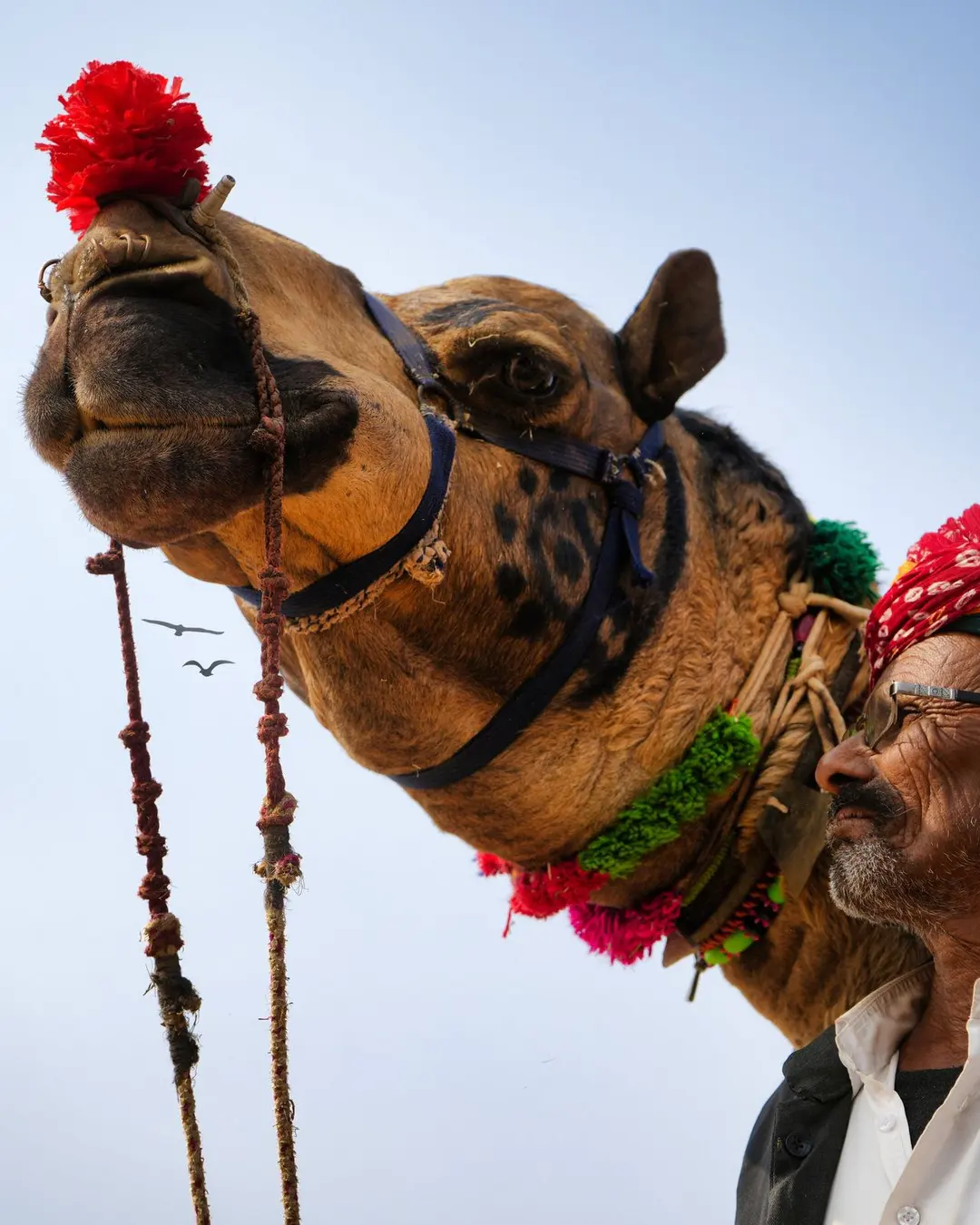
Camel safaris, desert camps and rich cultural experiences.
Wadi Rum, Jordan
Rocky desert landscapes, camping and adventure.
Namib Desert, Namibia
Dunes, wildlife and photography.
Sahara, Morocco
Dunes, camel safaris and Berber culture.
Dubai Desert, UAE
Dune bashing, sandboarding and luxury desert camps.
Point 07 / 14
7 Ways to Experience a Desert Adventure on a Budget
- Travel during shoulder season while still choosing safe and suitable weather.
- Choose a shared desert safari when shared transfers and activities can reduce costs.
- Stay in traditional or basic camps when luxury accommodation is not essential.
- Combine activities and look for packages that include transport, meals and experiences.
- Stay in the nearest desert town if premium desert camps are beyond your budget.
- Consider well-established local operators with local expertise and competitive packages.
- Combine the desert with another destination, such as Jaisalmer with Jodhpur and Jaipur, or Dubai with a desert safari and Abu Dhabi.
Point 08 / 14
Top 10 Desert Adventure Experiences You Shouldn't Miss
- Camel Safari
- Dune Bashing
- Desert Camping
- Sunrise Over the Dunes
- Sunset Desert Safari
- Sandboarding
- Quad Biking / ATV Adventure
- Desert Stargazing
- Traditional Desert Dinner and Cultural Performance
- 4×4 Desert Expedition
Additional possibilities include hot-air ballooning, desert photography, wildlife spotting, permitted fossil hunting, traditional village visits, horse riding, off-road road trips and salt-flat exploration.
Point 09 / 14
Desert Adventures in India
Rajasthan — Thar Desert
India's strongest desert-adventure proposition is the Thar Desert, particularly Rajasthan. Jaisalmer, Sam Sand Dunes, Khuri, Bikaner, Barmer, Osian and Pushkar can be considered for different combinations of desert scenery, camel safaris, camping and culture.
Gujarat — Rann of Kutch
The Great Rann of Kutch and Little Rann of Kutch provide a very different salt-desert experience, with distinctive landscapes, photography opportunities, cultural experiences and seasonal events.
Ladakh — Cold Desert
Ladakh offers a high-altitude cold-desert environment. The Nubra Valley, Leh region, Hunder, Tso Moriri region and Changthang represent different ways to experience this dramatic arid landscape.
Other Desert-Type Landscapes
Spiti Valley, Lahaul and parts of Himachal Pradesh also offer striking arid or desert-like mountain landscapes.
Point 10 / 14
International Desert Adventures
Desert experiences extend across several regions of the world.
- Middle East — UAE, Jordan, Oman, Saudi Arabia and Qatar.
- Africa — Morocco, Egypt, Namibia, Botswana, Tunisia and Algeria.
- South America — Bolivia, Chile, Peru and Argentina.
- Central Asia — Kazakhstan, Uzbekistan, Kyrgyzstan and Turkmenistan.
- Australia — the Outback, Simpson Desert, Great Victoria Desert and western Australian desert regions.
Point 11 / 14
Desert Adventures — Travel Styles to Explore
Desert Safari
Classic guided desert exploration.
Camel Safaris
Camel rides and multi-hour or multi-day camel journeys.
Dune Adventures
Dune bashing, sandboarding, dune driving and dune walking.
Desert Camping
Traditional camps, luxury camps, glamping and expedition camps.
Desert Wildlife
Desert national parks, birding, reptiles and desert mammals.
Desert Cultural Experiences
Nomadic communities, tribal villages, traditional food, music, dance and handicrafts.
Desert Road Trips
4×4 expeditions, self-drive journeys, motorcycle journeys and overland travel.
Desert Photography
Landscapes, wildlife, sunsets, star photography and cultural photography.
Desert Stargazing
Astronomy, night-sky photography, observatory experiences and overnight wilderness camps.
Salt Desert Adventures
Salt flats, salt landscapes, photography and cultural experiences.
Cold Desert Adventures
Ladakh, Spiti, Central Asian deserts and high-altitude arid landscapes.
Luxury Desert Escapes
Luxury tented camps, private camps, private 4×4 safaris, fine dining and premium glamping.
Desert Sports
Sandboarding, quad biking, dune bashing, off-road driving and horse riding.
Desert Expeditions
Long-distance, remote and specialist desert journeys.
Point 12 / 14
Find the Right Desert Adventure for You
Desert travel can be matched to different traveller types and activity levels. Couples and honeymoon travellers may prefer private camps, sunset experiences and luxury desert stays. Families can look for comfortable camps and carefully selected activities. Solo travellers and friends may enjoy guided small-group adventures, photography and camping. Senior or active-senior travellers can choose relaxed desert experiences with manageable activity levels. Photography travellers can build an itinerary around landscapes, wildlife, sunsets and star-filled skies.
Activity intensity can range from relaxed and easy experiences to moderate, challenging and expedition-style journeys. Trip styles can include private travel, small groups, guided groups, self-drive, tailor-made itineraries and expeditions.
Point 13 / 14
A Simple Way to Think About Desert Adventures
Desert Adventures are defined by three things: where you travel, the environment you experience and the adventure it enables. That is why a desert trip can naturally overlap with wildlife and nature, cultural holidays, luxury escapes, camping, road trips, photography, stargazing and festivals.
The key idea is simple: Desert Adventures are WHERE + ENVIRONMENT + ADVENTURE. The desert should be more than a backdrop. It should shape the activities, pace, accommodation and memories of the trip.
Point 14 / 14
Plan Your Desert Adventure with HolidayBesties
The most memorable desert holidays balance excitement with preparation. Choose the right season, understand the environment, pack for both daytime and nighttime conditions, stay hydrated and take the remoteness seriously. At the same time, leave room for the experiences that make desert travel special: a quiet sunrise, a camel journey, a local meal, a traditional performance, a dramatic landscape or a clear sky filled with stars.
Whether you want a Thar Desert safari, a salt-desert escape in Gujarat, a cold-desert journey through Ladakh, a rocky desert adventure, a luxury desert camp or a remote expedition, the right plan can make the desert feel both extraordinary and deeply rewarding.
Visa rules, entry requirements, opening hours, festival dates, prices and schedules change from time to time. Please check the latest information before you book — our team will confirm everything for your dates.