Point 01 / 21
Start With the Holiday You Actually Want
Kenya and Tanzania work beautifully together, but they do not have to be visited together. Your ideal route depends on how many nights you have, whether wildlife is the main priority, and whether you want to finish with a few slow days by the sea.
Choose Kenya for experiences such as:
- Maasai Mara
- Amboseli and views of Mount Kilimanjaro
- Lake Nakuru
- Nairobi
- Diani Beach
- Lamu
Choose Tanzania for experiences such as:
- Serengeti
- Ngorongoro
- Tarangire
- Mount Kilimanjaro
- Zanzibar
- Stone Town
How many nights? For around 5–6 nights, concentrating on one country is more practical. With 8–10 nights, Kenya and Tanzania can be combined. At 10–14 nights, a Zanzibar or beach extension becomes easier to include. The source guide also cautions against over-packing the itinerary because safari days can involve early starts and long transfers.
Point 02 / 21
Understand the Great Migration Before You Plan Around It
The Great Migration is not a single event that belongs to one country. The herds move through the wider Serengeti–Mara ecosystem, crossing between Tanzania and Kenya. That means a calendar date alone cannot guarantee that you will see a particular crossing or concentration of animals in a particular place.
If migration viewing is important to you, build your trip around flexibility rather than a promise of a specific sighting. Your safari team can use current conditions and recent wildlife movements to shape the day’s route, but nature always keeps the final say.
Point 03 / 21
Where to Stay: Match Your Base to Your Experience
| Place | What it is good for |
|---|---|
| Nairobi | City time, restaurants, Nairobi National Park, Giraffe Centre and a pre/post-safari stay. |
| Maasai Mara | Early-morning and afternoon game drives close to the reserve. |
| Serengeti | Reducing transfer time and staying close to major game-drive areas. |
| Ngorongoro | Convenient access to crater excursions and highland scenery. |
| Zanzibar | Beach time, Stone Town, diving, snorkelling, spices and a slower finish. |
Point 04 / 21
What to Pack for a Kenya & Tanzania Safari
Pack for changing temperatures rather than packing for a fashion show. Early game drives can feel considerably cooler than the afternoon, especially around higher-altitude safari areas.
- Safari clothing
- Light cotton/linen clothes; neutral-coloured shirts and trousers; comfortable walking shoes; fleece or light jacket; hat/cap
- Safari essentials
- Binoculars; camera; extra memory cards; power bank; reusable water bottle; small day backpack; sunscreen; insect repellent
- Beach / Zanzibar
- Swimwear; sandals; beachwear; light cover-up; reef-friendly sunscreen.
- Early mornings
- Warm jacket; fleece; scarf; closed shoes.
- Luggage
- One main soft-sided bag plus one small daypack is a practical approach. Check weight limits carefully.
Leave behind: excessive luggage, hard-shell suitcases where light-aircraft sectors are involved, excessive formalwear, expensive jewellery, heavy winter clothing unless specifically required, and unnecessary electronics.
Point 05 / 21
Flights: Build the Route Before You Book Every Segment
- Compare Nairobi and Kilimanjaro as possible international arrival points depending on your safari route.
- Consider an open-jaw journey such as India → Nairobi → Tanzania → Zanzibar → India to reduce unnecessary backtracking.
- If Zanzibar is your final stop, compare the practicality of flying there from the Tanzania safari region rather than returning to Nairobi.
- Use domestic or regional flights selectively when they save substantial overland travel time.
- Check baggage rules separately for safari flights; weight limits and soft-bag requirements can differ from international flights.
Point 06 / 21
The Experiences That Make This Journey Special
- Big Five safari
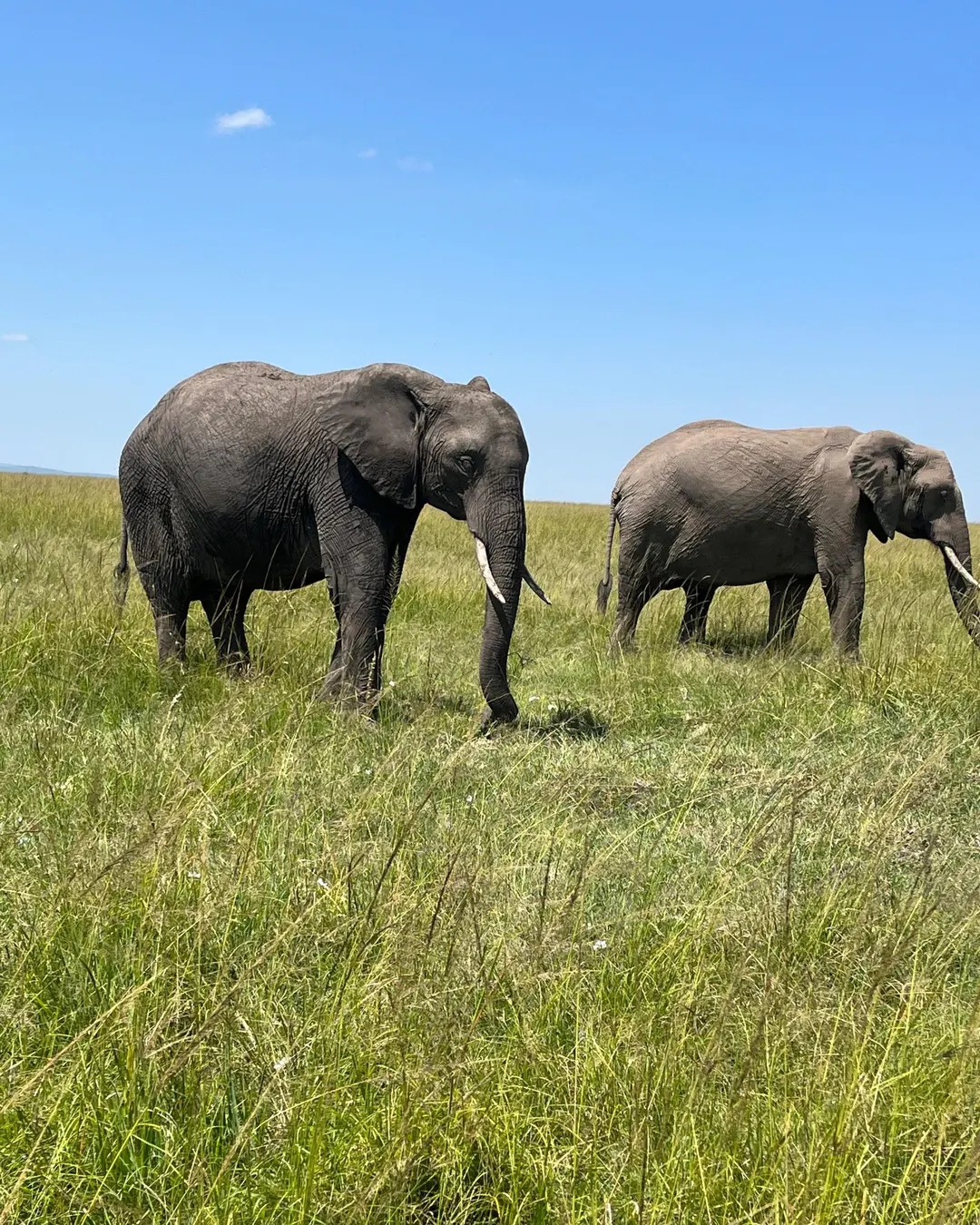
- Keep an eye out for lion, leopard, elephant, rhino and buffalo — while remembering that wildlife sightings can never be guaranteed.
- Maasai Mara
- Plan morning and afternoon game drives and, if your dates align, consider migration-season viewing.
- Serengeti
- Experience vast plains, wildlife and the annual migration across one of Africa’s most recognisable landscapes.
- Ngorongoro Crater
- Combine wildlife with dramatic scenery and the cultural landscape of the conservation area.
- Mount Kilimanjaro
- You do not have to climb it to appreciate its presence; surrounding areas can offer memorable views.
- Stone Town
- Explore historic streets, markets, old buildings, waterfront areas and former trading quarters.
- Zanzibar
- Slow the pace with snorkelling, diving, spice experiences, sunset cruises, beach time and responsibly operated wildlife excursions.
Point 07 / 21
A Kenya & Tanzania Honeymoon That Does Not Feel Rushed
For couples, the appeal is the contrast: an exciting safari followed by time to slow down beside the Indian Ocean. A sample 9-night/10-day rhythm from the source guide is:
| Day | Plan |
|---|---|
| 1 | Nairobi |
| 2 | Nairobi → Maasai Mara |
| 3 | Maasai Mara safari |
| 4 | Maasai Mara → Serengeti |
| 5 | Serengeti safari |
| 6 | Serengeti → Ngorongoro |
| 7 | Ngorongoro → Zanzibar |
| 8 | Zanzibar beach |
| 9 | Zanzibar leisure |
| 10 | Departure |
Romantic touches: private safari, sundowner, bush breakfast, luxury tented camp, candlelight dinner, private Zanzibar villa, sunset dhow cruise, couples’ spa and private beach dinner.
If reducing border crossings and long road journeys matters more than visiting both safari countries, the source guide suggests a Tanzania + Zanzibar combination as a simpler alternative.
Point 08 / 21
First-Time Safari Tips You Will Be Glad You Read
- 1. Start safari days early. Wildlife activity is often strongest around sunrise and again in the late afternoon.
- 2. Do not measure a safari by a checklist. Animals move freely and every day in the bush is different.
- 3. Carry binoculars. They can transform distant wildlife sightings.
- 4. Listen to your guide. Do not leave vehicles or approach wildlife without permission.
- 5. Wear practical layers and neutral colours.
- 6. Keep luggage manageable, particularly for light-aircraft sectors.
- 7. Carry both cards and some cash for different situations.
- 8. Treat safari and beach time as different styles of holiday: one is active and nature-led; the other is slower and restorative.
Point 09 / 21
Shopping & Local Finds
Kenya: Maasai beadwork, wooden carvings, kikoy and kitenge fabrics, coffee, tea, handmade jewellery, art and safari-themed souvenirs. Nairobi and Mombasa offer a range of shopping and craft experiences.
Tanzania: Tanzanite, Maasai crafts, kanga and kitenge fabrics, wooden carvings, spices, coffee, handmade jewellery and Zanzibar handicrafts. In Zanzibar, look for spices, baskets, fabrics, carvings, paintings and jewellery.
Buying gemstones: the source guide recommends using an established, reputable dealer and requesting appropriate documentation when buying Tanzanite or other gemstones.
Point 10 / 21
How to Make a Kenya & Tanzania Holiday More Budget-Friendly
- Consider shared safari vehicles if private use is not essential.
- Look at shoulder-season travel, when rates can vary with demand.
- Choose two or three parks rather than trying to cover four or five.
- Consider mid-range lodges to balance comfort and overall trip cost.
- A short three-night Zanzibar extension can provide a beach finish without turning the entire holiday into a luxury-resort stay.
- Avoid unnecessary domestic flights where a practical road transfer is available.
- Compare full-board safari arrangements, especially where meals, game drives and selected activities are included.
Point 11 / 21
History Beyond the Safari
Kenya and Tanzania are not only wildlife destinations. Their coastlines, trading towns, archaeological sites and rock-art landscapes tell a much longer story.
- Fort Jesus, Mombasa
- A Portuguese fort overlooking Mombasa’s harbour and a UNESCO World Heritage property.
- Lamu Old Town
- A historic Swahili settlement and UNESCO World Heritage property.
- Gedi Ruins
- An important historic and archaeological site on Kenya’s coast.
- Stone Town
- A historic Swahili trading centre shaped by Arab, African, Indian and European influences.
- Kilwa Kisiwani
- Historic Swahili trading ruins on Tanzania’s coast, recognised together with Songo Mnara.
- Kondoa Rock-Art Sites
- Rock-art landscapes recognised for their archaeological and cultural significance.
Point 12 / 21
Cities to Add Before or After Safari
- Nairobi
- Nairobi National Park, Giraffe Centre, Karen Blixen Museum, Nairobi National Museum, Maasai Market and city neighbourhoods.
- Mombasa
- Fort Jesus, Old Town, Mombasa Tusks, Nyali, Diani Beach and coastal markets.
- Arusha
- Natural history, local markets, Cultural Heritage Centre, coffee experiences and a gateway to northern safari areas.
- Dar es Salaam
- National Museum, Kariakoo Market, Village Museum, Oyster Bay and waterfront areas.
- Stone Town
- Historic waterfront, Old Fort area, Darajani Market, Forodhani Gardens, Sultan’s Palace area and Zanzibar’s distinctive doors.
Point 13 / 21
Festivals & Cultural Moments
Festival dates can change from year to year, so confirm dates before building an itinerary around a particular event. The source guide highlights cultural and community events including the Lamu Cultural Festival, Maralal International Camel Derby, Lake Turkana Festival, Nairobi International Trade Fair, Sauti za Busara, Zanzibar International Film Festival, Zanzibar Food Festival and Mwaka Kogwa.
Point 14 / 21
Food for Indian Travellers
Indian and South Asian culinary influences are part of the wider East African story, particularly in major tourist centres. The source guide lists Indian dining options in Nairobi and Arusha and notes alternatives in Zanzibar.
For families and groups: confirm vegetarian meals, Jain meals, no-onion/no-garlic requirements, spice levels, group seating, reservations and meal timings in advance. Restaurant listings and operating arrangements can change.
Point 15 / 21
Entry & Travel Preparation for Indian Travellers
The supplied guide states that Kenya uses an Electronic Travel Authorisation (eTA) system and that ordinary Indian tourist-passport holders should apply through the official Kenya eTA system before travel, subject to applicable exemptions. It also lists passport validity, a blank passport page, travel details, accommodation information and payment among application requirements.
For Tanzania, the supplied guide states that Tanzania operates an eVisa system covering mainland Tanzania and Zanzibar and that Indian ordinary-passport tourists should plan to obtain the appropriate Tanzanian visa. It gives the ordinary single-entry tourist visa as generally US$50 and notes that rules can change.
Important: entry requirements can change. Re-check the current official immigration requirements immediately before ticketing and again before departure.
Point 16 / 21
When Should You Visit Kenya & Tanzania?
There is no single month that is perfect for every traveller. The source guide identifies June through October as generally popular safari months, while noting that migration timing changes from year to year and that the herds move through the wider Serengeti–Mara ecosystem.
For Zanzibar, consider rainfall patterns alongside the type of beach holiday you want. If wildlife is the priority, choose dates around the safari experience you care most about; if the beach is the reward at the end, make sure the Zanzibar portion fits your preferred weather conditions.
Point 17 / 21
14 Itinerary Ideas for Different Travel Styles
| Trip style | Suggested route |
|---|---|
| Kenya Safari – 5N/6D | Nairobi + Maasai Mara + Lake Nakuru |
| Kenya Classic Safari – 6N/7D | Nairobi + Amboseli + Lake Nakuru + Maasai Mara |
| Tanzania Safari – 6N/7D | Arusha + Tarangire + Serengeti + Ngorongoro |
| Tanzania & Zanzibar – 8N/9D | Arusha + Serengeti + Ngorongoro + Zanzibar |
| Kenya & Tanzania Safari – 8N/9D | Nairobi + Maasai Mara + Serengeti + Ngorongoro |
| Kenya & Zanzibar – 8N/9D | Nairobi + Maasai Mara + Zanzibar |
| Kenya & Tanzania Honeymoon – 9N/10D | Nairobi + Maasai Mara + Serengeti + Zanzibar |
| East Africa Wildlife Special – 10N/11D | Nairobi + Amboseli + Maasai Mara + Serengeti + Ngorongoro |
| Safari & Beach – 10N/11D | Nairobi + Maasai Mara + Serengeti + Ngorongoro + Zanzibar |
| Luxury East Africa – 10N/11D | Nairobi + private Maasai Mara safari + Serengeti + Ngorongoro + luxury Zanzibar |
| Family East Africa – 9N/10D | Nairobi + Maasai Mara + Serengeti + Zanzibar |
| Adventure East Africa – 12N/13D | Nairobi + Maasai Mara + Amboseli + Kilimanjaro region + Serengeti + Ngorongoro |
| Grand East Africa – 13N/14D | Nairobi + Lake Nakuru + Maasai Mara + Serengeti + Ngorongoro + Zanzibar |
| Ultimate Kenya & Tanzania – 15N/16D | Nairobi + Amboseli + Lake Nakuru + Maasai Mara + Serengeti + Ngorongoro + Tarangire + Zanzibar |
Point 18 / 21
A Practical First-Time Formula: 10 Nights / 11 Days
For a first Kenya–Tanzania journey with Zanzibar, the supplied guide proposes a balanced route that gives each major experience room to breathe:
- Nairobi
- 1 night
- Maasai Mara
- 2 nights
- Serengeti
- 2 nights
- Ngorongoro
- 1 night
- Arusha
- 1 night
- Zanzibar
- 3 nights
This rhythm combines wildlife, culture, scenery and an Indian Ocean beach stay. For a shorter 7-night/8-day trip, the source guide recommends choosing Kenya or Tanzania rather than trying to cover both countries plus Zanzibar.
Point 19 / 21
Kenya & Tanzania Travel FAQs
Is it better to visit Kenya or Tanzania?
That depends on your priorities. Kenya offers the Maasai Mara, Amboseli, Lake Nakuru, Nairobi and Diani, while Tanzania offers the Serengeti, Ngorongoro, Tarangire, Kilimanjaro and Zanzibar. With enough time, the two can be combined.
How many days do I need for Kenya and Tanzania?
The source guide suggests 8–10 nights for a combined Kenya and Tanzania trip, with 10–14 nights giving more room for Zanzibar or a beach extension.
Can I combine a Kenya safari with Zanzibar?
Yes. A route can pair Nairobi and Maasai Mara with Zanzibar, especially when the priority is a safari followed by a beach holiday.
What should I wear on safari?
Comfortable, lightweight layers and neutral-coloured clothing are practical. Bring a fleece or light jacket for early mornings.
Do I need to pack a hard suitcase?
A soft-sided bag is often more practical, particularly when your itinerary includes light aircraft. Always check the baggage rules for each safari flight.
When is the best time to see the Great Migration?
There is no fixed date that guarantees a particular sighting. The herds move through the Serengeti–Mara ecosystem and their location changes from year to year.
Is Zanzibar only about beaches?
No. Zanzibar can add Stone Town, spice experiences, diving, snorkelling, cultural exploration, cruises and historic architecture alongside beach time.
Can families enjoy Kenya and Tanzania?
Yes, but the itinerary should be paced around family ages, transfer times, accommodation needs and the amount of early-morning activity everyone is comfortable with.
Point 20 / 21
Before You Go: A Simple Kenya & Tanzania Checklist
- Decide whether you want Kenya, Tanzania, or both.
- Choose your priority experiences: safari, migration, Kilimanjaro views, culture, history or Zanzibar.
- Count your nights before adding more destinations.
- Check international and safari-flight baggage rules.
- Prepare lightweight layers and comfortable shoes.
- Carry binoculars, sunscreen, insect repellent and a reusable water bottle.
- Keep important travel documents and copies accessible.
- Check current entry requirements immediately before travel.
- If buying gemstones or crafts, ask for appropriate documentation where relevant.
- Confirm any dietary requirements and meal arrangements in advance.
- Leave space in your itinerary for rest — especially after long safari days.
- Remember that wildlife is wild: sightings are never guaranteed, and responsible behaviour matters.
Point 21 / 21
The HolidayBesties Way to Think About East Africa
The most memorable Kenya and Tanzania holidays are not necessarily the ones with the longest list of stops. They are the ones where the route makes sense for the traveller. Give wildlife time. Leave room for slow mornings in Zanzibar. Mix the famous sights with history and local culture. Pack lightly. And build enough breathing space into the journey that the holiday feels like a holiday.
Whether you have a week for one country, ten nights for a Kenya–Tanzania combination, or two weeks for safari and the Indian Ocean, the building blocks are remarkably flexible. Start with what you want to feel when you come home — excitement, wonder, relaxation, discovery or a little of all four — and let the itinerary follow.
Visa rules, entry requirements, opening hours, festival dates, prices and schedules change from time to time. Please check the latest information before you book — our team will confirm everything for your dates.