Point 01 / 17
Choose the Italy You Want to Experience
Start with the experience rather than a list of cities. Italy can support very different styles of holidays:
- Classic Italy: Rome + Florence + Venice
- Romantic Italy: Venice + Florence + Tuscany + Amalfi Coast
- Art & history: Rome + Florence + Siena + Venice
- Luxury Italy: Milan + Lake Como + Florence + Amalfi Coast
- Southern Italy: Naples + Amalfi Coast + Capri + Sorrento
- Mediterranean Italy: Sicily or Sardinia
- Food & wine: Tuscany + Emilia-Romagna + Piedmont
How many nights are enough?
For a first Italy holiday, 7–10 nights can work well for a focused multi-city trip. With 12–15 nights, you can combine northern, central and southern experiences more comfortably. The key is to avoid turning every day into a transfer day.
A useful planning trick is an open-jaw itinerary: arrive in one Italian city and depart from another. For example, India → Rome → Florence → Venice → India, or India → Milan → Lake Como → Florence → Rome → India. This can reduce unnecessary backtracking.
Point 02 / 17
When Is the Best Time to Visit Italy?
The right season depends on your priorities. Spring and early summer are strong choices for sightseeing and outdoor touring; July and August are hot and busy in many major cities but can work beautifully for coastal holidays; September and October are excellent for city breaks, Tuscany and food-and-wine travel; November to March can suit lower-season city breaks, winter experiences and Christmas travel.
| Season | Good for | Keep in mind |
|---|---|---|
| April–June | Sightseeing, outdoor touring, countryside | Plan popular attractions ahead |
| July–August | Coasts, islands, summer atmosphere | Heat and crowds in major cities |
| September–October | Cities, Tuscany, food & wine | Excellent all-round period |
| November–March | City breaks, winter and festive travel | Weather varies by region |
Point 03 / 17
Where to Stay: Pick the Right Base
Rome
A strong choice for first-time visitors, history, major landmarks and family holidays. Areas around the historic centre, Spanish Steps, Trevi Fountain and Termini can suit different budgets.
Florence
Ideal for Renaissance art, museums, couples and Tuscany day trips. Staying close to the historic centre makes sightseeing easier.
Venice
A natural choice for honeymooners, couples and first-time visitors seeking a romantic atmosphere. San Marco, San Polo, Santa Croce and Cannaregio offer different experiences.
Milan
Best suited to fashion, shopping, luxury travel, business-plus-leisure and combinations with Lake Como.
Sorrento
A practical southern base for exploring the Amalfi Coast, Capri and Naples, and well suited to couples and families.
Point 04 / 17
Six Historical Landmarks You Should Know
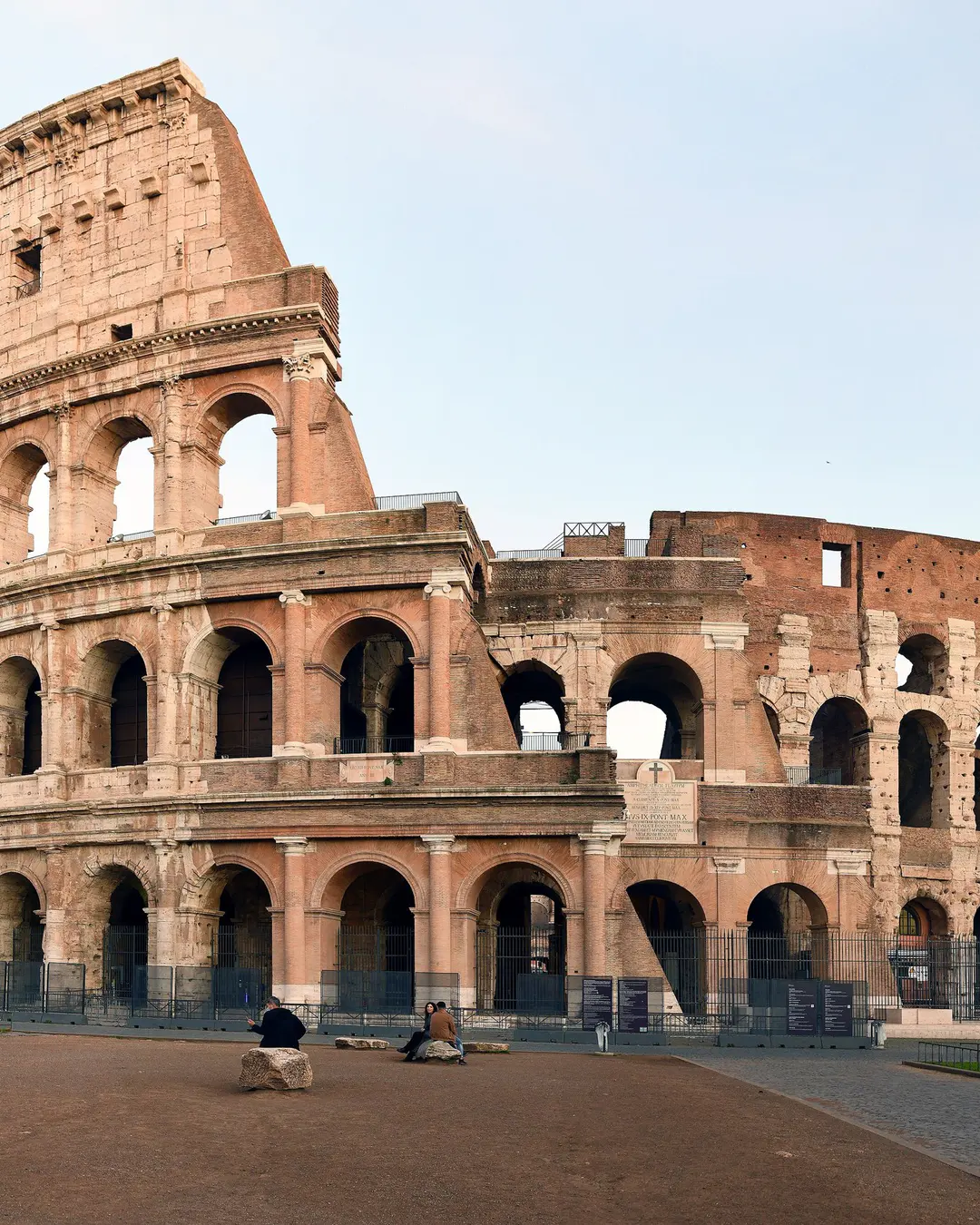
- Colosseum, Rome: one of the world's most recognisable ancient Roman monuments.
- Roman Forum, Rome: the archaeological heart of ancient Rome.
- Pantheon, Rome: an extraordinary ancient monument and architectural highlight.
- Florence Cathedral: the Duomo dominates Florence's historic skyline and reflects Renaissance achievement.
- Pompeii: an archaeological city near Naples offering a remarkable window into Roman life.
- Doge's Palace, Venice: a major historic building connected with the political history of the Venetian Republic.
Point 05 / 17
Seven Experiences That Make an Italy Holiday Special
- Walk through Ancient Rome: combine the Colosseum, Roman Forum, Palatine Hill, Pantheon, Trevi Fountain and Piazza Navona.
- Experience Venice by water: take a gondola ride, explore canals and spend time around St Mark's Square.
- Discover Renaissance Florence: see the Duomo, Uffizi Gallery, Ponte Vecchio, Piazza della Signoria and Accademia Gallery.
- Explore Tuscany: connect Florence with Siena, San Gimignano, Chianti and the countryside.
- See the Amalfi Coast: explore Sorrento, Positano, Amalfi and Ravello.
- Spend time around Lake Como: discover Como, Bellagio and Varenna, with a lake cruise if it suits your plans.
- Eat your way through Italy: try pizza, pasta, risotto, gelato, tiramisu, seafood, regional cheeses and Italian coffee.
Point 06 / 17
Planning an Italy Honeymoon
Italy works particularly well for a honeymoon because a single holiday can combine historic cities, countryside, lakes and coastline. The most important honeymoon rule is simple: do not overload the itinerary.
- Romantic route: Venice 2 nights → Florence 2 nights → Tuscany 1–2 nights → Rome 2–3 nights
- Luxury route: Milan 2 nights → Lake Como 2 nights → Florence/Tuscany 2 nights → Rome 2 nights
- Coastal route: Rome 2 nights → Sorrento 2 nights → Amalfi Coast 2 nights → Capri 1–2 nights
Good honeymoon experiences include a gondola ride, sunset time, a Tuscan countryside dinner, a Lake Como cruise, a romantic Florence walk, an Amalfi Coast drive, wine tasting, a couple's photoshoot, a luxury hotel stay and fine dining. Two or three memorable experiences can be more enjoyable than changing hotels every night.
Point 07 / 17
First-Time Italy Tips That Save Time and Stress
- Wear comfortable shoes. Major cities are best explored on foot, often over cobbled streets and steps.
- Pre-book major attractions. Popular museums and landmarks can fill quickly during busy periods.
- Allow for transfer time. Hotel check-outs, stations and local transfers can consume more time than expected.
- Make meals part of the itinerary. Food is part of the Italian travel experience, not merely a gap between attractions.
- Carry a small day bag. Keep water, documents, sunglasses and daily essentials close.
- Learn a few Italian words. Buongiorno, Grazie, Per favore, Scusi and Quanto costa? are useful basics.
- Check local rules. Historic centres, churches, museums and public transport can have different requirements.
- Do not try to see everything. Italy rewards slower travel.
Point 08 / 17
What to Pack for Italy
Your packing list should follow the season and regions on your route. Comfortable footwear is especially important because many sightseeing days involve walking over cobbled streets, steps and historic-centre roads.
Essentials
- Passport and travel documents
- Travel insurance documents and booking copies
- International payment cards and some euros
- Phone charger, power bank and universal travel adaptor
- Comfortable walking shoes
- Layered clothing and a light jacket
- Modest clothing for religious sites
- Small backpack, reusable water bottle, sunglasses and sunscreen
- Compact umbrella and portable luggage scale
For summer, add breathable clothing, a hat or cap, sunscreen and comfortable sandals. For winter, pack warm layers, a sweater, waterproof footwear, and gloves/scarf where appropriate. For the Amalfi Coast, Cinque Terre or Lake Como, good-grip walking shoes, a light daypack, swimwear, sunglasses and a lightweight jacket are useful.
Avoid overpacking formal clothes, too many shoes, large unnecessary bags, expensive jewellery unless needed and oversized luggage. Smaller luggage is much easier on multi-city rail journeys.
For churches and basilicas, shoulders and knees should be appropriately covered.
Point 09 / 17
Getting to Italy and Moving Between Cities
For international travel, consider arrival airports such as Rome, Milan, Venice or Naples. Compare both return and one-way combinations, particularly if an open-jaw itinerary reduces backtracking.
For classic city combinations, trains can be more convenient than taking domestic flights between every stop. If considering lower-cost air options, compare the final price after luggage and seat-selection charges rather than only the headline fare.
Travellers departing from different Indian cities may find different fare combinations depending on the season. It can be worth comparing options from Delhi, Mumbai, Bengaluru, Chennai, Hyderabad, Kolkata and other major departure cities.
Point 10 / 17
Shopping in Italy: What to Look For
- Milan: luxury fashion and Italian designer shopping around the Quadrilatero della Moda, including Via Montenapoleone, Via Manzoni, Via della Spiga and Corso Venezia.
- Florence: leather goods, handbags, shoes, jewellery and Florentine crafts. Ponte Vecchio is associated with jewellery and goldsmith workshops.
- Rome: explore Via Condotti, Via del Corso and the Spanish Steps area.
- Venice: Murano glass, Burano lace, Venetian masks, jewellery and handmade crafts.
- Food souvenirs: olive oil, pasta, coffee, chocolate, regional biscuits, balsamic vinegar and packaged regional foods.
Always check airline baggage and customs rules before buying large quantities.
Point 11 / 17
How to Enjoy Italy on a Sensible Budget
- Travel during the shoulder seasons, particularly April–June and September–October.
- Consider staying a short distance outside the most expensive historic cores.
- Use trains between major cities where practical.
- Eat a few streets away from the busiest tourist attractions.
- Mix paid attractions with free sightseeing such as walking through historic neighbourhoods and public squares.
- Use city passes selectively and check exactly what is included.
- Avoid frequent hotel changes because every move uses transport and check-in/check-out time.
Point 12 / 17
Regional Italy: A Quick Taste of the Country
Italy's regional diversity is one of its greatest strengths. Cuisine, architecture, traditions and everyday food habits can change significantly from one region to another. Rome is associated with ancient history; Florence with the Renaissance; Venice with its lagoon and canals; Naples with the identity of Neapolitan pizza; Tuscany with vineyards, hill towns and countryside; Sicily with a distinctive blend of Mediterranean, Greek, Roman, Arab and Norman influences; and northern Italy with Alpine lakes and mountain scenery.
Italy also includes island destinations such as Sicily, Sardinia, Capri and Ischia, while Bologna is known for historic porticoes and culinary traditions. Craftsmanship remains important in fashion, leather, glass, jewellery and design.
Point 13 / 17
Festivals and Seasonal Celebrations
- Venice Carnival: famous for masks, costumes and historic Venetian settings.
- Palio di Siena: held on 2 July and 16 August in Piazza del Campo.
- Viareggio Carnival: known for elaborate floats and large-scale celebrations.
- Infiorata di Genzano: a floral-carpet tradition associated with Corpus Christi.
- Infiorata di Noto: a well-known Sicilian flower festival along Via Nicolaci.
- Carnevale di Ivrea: known for its distinctive orange-throwing tradition.
- Christmas markets: especially atmospheric in northern Italian cities and Alpine areas.
- Local summer festivals: towns and villages host food, religious, music and cultural celebrations.
Festival programmes can change from year to year, so dates should be checked before booking.
Point 14 / 17
Italy City Tour Highlights
Rome
Florence
Venice
Milan
Naples
Verona
Bologna
Point 15 / 17
Easy-to-Use Italy Itinerary Ideas
Classic Italy — 7 Nights
- Route
- Rome 3N → Florence 2N → Venice 2N
- Best for
- First-time visitors, families, couples and short European holidays
Italy Highlights — 9 Nights
- Route
- Rome 3N → Florence 2N → Venice 2N → Milan 2N
- Best for
- First-time travellers, shopping + sightseeing, families and couples
Romantic Italy — 10 Nights
- Route
- Venice 2N → Florence 2N → Tuscany 2N → Sorrento 2N → Rome 2N
- Best for
- Honeymoon, anniversary and couples
Italian Lakes & Luxury — 8 Nights
- Route
- Milan 2N → Lake Como 2N → Lake Garda/Verona 2N → Venice 2N
- Best for
- Luxury, couples and scenic holidays
Southern Italy — 8 Nights
- Route
- Naples 2N → Sorrento 2N → Amalfi Coast 2N → Rome 2N
- Best for
- Add Capri or Pompeii as excursions
Italy + Switzerland — 11–13 Nights
- Route
- Milan 2N → Lake Como 2N → Lucerne/Interlaken 3N → Zurich 1N → Venice or Florence 2–3N
- Best for
- Italian culture plus Alpine scenery
Point 16 / 17
Your Italy Holiday Planning Checklist
Before confirming your trip, decide the following:
- Number of nights: 7 / 9 / 12 / 15+
- Arrival city: Rome / Milan / Venice / Naples
- Departure city: same or different
- Main interest: history / honeymoon / shopping / food / beaches / luxury
- Regions: North / Central / South / Islands
- Transport: train / private transfer / coach / self-drive
- Hotel category: 3-star / 4-star / 5-star / luxury
- Meal plan: breakfast / half board / selected dinners
- Indian meals: required or optional
- Sightseeing: shared or private
- Season: spring / summer / autumn / winter
- Special requirements: vegetarian / Jain / children / elderly / accessibility
Point 17 / 17
The Best Italy Holiday Is the One That Fits You
A great Italy holiday is not about collecting the maximum number of landmarks. It is about choosing the right rhythm. Spend enough time in each destination to enjoy its atmosphere, leave room for meals and spontaneous discoveries, and avoid changing hotels simply to tick another place off a list.
For a first visit, Rome + Florence + Venice is a manageable classic. Add Milan, Lake Como, Tuscany, the Amalfi Coast or southern Italy when you have enough nights to enjoy them rather than simply pass through.
Whether your dream is ancient Rome, Renaissance Florence, a gondola ride in Venice, Tuscan countryside, a Lake Como escape, Amalfi Coast scenery or a food-focused journey, Italy can be shaped around the way you want to travel.
Visa rules, entry requirements, opening hours, festival dates, prices and schedules change from time to time. Please check the latest information before you book — our team will confirm everything for your dates.