Point 01 / 23
Netherlands at a Glance
The Netherlands is much more than Amsterdam. A rewarding holiday combines the capital’s canals and museums with Dutch countryside, windmills, historic towns, cycling routes and seasonal flower landscapes. Depending on the time of year, tulips, summer canals, autumn colours or winter lights can become the defining feature of your trip.
For first-time visitors, Amsterdam is an excellent base because many major attractions are connected by rail. But adding one or two nights outside the capital can make the journey feel more varied, slower and more authentically Dutch.
Point 02 / 23
How Many Days Do You Need in the Netherlands?
Your ideal Netherlands itinerary depends on whether you want a focused Amsterdam city break or a broader journey through cities, villages and countryside.
- 3 days / 2 nights: Amsterdam highlights.
- 4 days / 3 nights: Amsterdam + Zaanse Schans + Volendam.
- 5 days / 4 nights: Amsterdam + Zaanse Schans + Rotterdam + Delft.
- 6–7 days: Amsterdam + countryside + Rotterdam + The Hague + Giethoorn.
- 8–10 days: Add Utrecht, Haarlem, Leiden, Maastricht or the Dutch coast.
Point 03 / 23
When Is the Best Time to Visit the Netherlands?
- March–May: tulips, Keukenhof and colourful spring landscapes.
- June–August: cycling, canals, countryside and outdoor sightseeing.
- September–October: autumn colours, museums and comparatively quieter sightseeing.
- November–February: winter city breaks, museums, lights and festive atmosphere.
For travellers specifically planning around Keukenhof, the supplied guide records the official 2027 season as 18 March–9 May 2027. Seasonal attractions should always be checked before final travel arrangements.
Match the season to your travel style: choose spring for flowers, summer for outdoor exploration, autumn for culture and city breaks, and winter for festive experiences.
Point 04 / 23
What to Pack for a Netherlands Trip
Dutch weather can change quickly, so layers and rain protection are usually more useful than carrying large quantities of heavy clothing.
Spring
- Light jacket
- Sweater
- Waterproof jacket
- Comfortable walking shoes
- Compact umbrella
Summer
- T-shirts
- Light trousers
- Comfortable shoes
- Sunglasses
- Sunscreen
- Light jacket
Autumn & Winter
- Waterproof jacket
- Sweaters
- Full-length trousers
- Warm coat in winter
- Thermal layers
- Gloves and woollen cap
- Warm socks
- Waterproof footwear
If cycling
- Comfortable trousers
- Lightweight rain jacket
- Small backpack
- Gloves during cooler months
For tulip season
- Waterproof shoes
- Light jacket
- Umbrella
- Camera or phone
- Portable power bank
Point 05 / 23
Getting to the Netherlands
For international travellers, Amsterdam Schiphol Airport (AMS) is the principal gateway highlighted in the supplied guide. Indian travellers can compare flight options from Delhi, Mumbai, Bengaluru, Hyderabad, Chennai and Kolkata.
For a multi-country Europe holiday, an open-jaw itinerary can reduce unnecessary backtracking. The guide gives examples such as India → Amsterdam followed by Paris or Brussels → India.
Amsterdam and Brussels are also well suited to a combined itinerary because of their geographical relationship and strong rail connections.
Point 06 / 23
Where to Stay in the Netherlands
There is no single best base for every traveller. Amsterdam is ideal for first-time sightseeing, while other cities can offer a calmer stay or make specific parts of the country easier to explore.
- Amsterdam — Best for first-time visitors, museums, nightlife, canals and classic sightseeing. Areas include Centrum, Jordaan, De Pijp, Museum Quarter, Canal Belt and Amsterdam Zuid.
- Rotterdam — Best for modern architecture, food, shopping and urban experiences. Its contemporary skyline and major port create a striking contrast with Amsterdam.
- The Hague — Best for history, museums, government institutions and access to the seaside at Scheveningen.
- Utrecht — Best for historic canals, a relaxed atmosphere and excellent rail connectivity. It is a useful alternative to Amsterdam for a less concentrated city experience.
- Giethoorn — Best for couples, families and countryside experiences. Its canals, bridges, thatched houses and boat tours create one of the Netherlands’ most distinctive village experiences.
Other useful bases include Haarlem, Delft, Leiden, Maastricht, Eindhoven and Groningen.
Point 07 / 23
Historical Places to Visit in the Netherlands
- Amsterdam Canal Ring: the historic canal district and one of Amsterdam’s defining landscapes.
- Rijksmuseum: a major institution for Dutch art and history.
- Anne Frank House: a historically significant site associated with Anne Frank and the Second World War; advance booking is strongly recommended.
- Kinderdijk: famous for historic windmills and the Netherlands’ water-management heritage.
- Binnenhof, The Hague: a historic political complex.
- Delft Historic Centre: known for canals, traditional architecture, Delft Blue ceramics and its connection with Johannes Vermeer.
- Muiderslot Castle: one of the country’s best-known medieval castles.
- Utrecht Historic Centre: medieval architecture, canals and churches.
- Haarlem Historic Centre: historic squares, churches and Dutch Golden Age heritage.
- Volendam and Marken: traditional settlements offering insight into Dutch fishing culture.
Point 08 / 23
Seven Experiences to Put on Your Netherlands Bucket List
- Take an Amsterdam canal cruise.
- Explore Dutch art and history at the Rijksmuseum.
- Visit Keukenhof during tulip season.
- Discover traditional windmills and crafts at Zaanse Schans.
- Take a boat through Giethoorn.
- Experience Kinderdijk and the country’s relationship with water management.
- Explore Rotterdam’s modern architecture, Markthal and Erasmus Bridge.
Point 09 / 23
Amsterdam: The Classic Starting Point
Amsterdam is where many Netherlands holidays begin, and it is easy to understand why. Canals, museums, historic neighbourhoods, bridges and lively streets create a destination that can be explored at several different speeds.
A strong full-day Amsterdam plan can begin at Dam Square and the Royal Palace area, continue to the canal belt, then move towards Museumplein for the Rijksmuseum and Van Gogh Museum. Finish with Jordaan, the Nine Streets and an evening canal cruise.
For a first visit, avoid filling every hour. Amsterdam’s charm is partly in the slower moments: walking beside the canals, sitting in a café, browsing small streets and seeing the city after the main sightseeing hours.
Point 10 / 23
Beyond Amsterdam: The Dutch Countryside
A Netherlands holiday becomes much more memorable when at least one countryside experience is included.
- Zaanse Schans
- traditional windmills, wooden houses, Dutch crafts, cheese demonstrations and wooden-clog workshops.
- Volendam & Marken
- historic villages connected with traditional Dutch fishing culture.
- Giethoorn
- canals, bridges, thatched houses, boat rides, countryside walks and local cafés.
- Kinderdijk
- an iconic water-management landscape where historic windmills tell the story of how the Netherlands has lived with water.
Point 11 / 23
Netherlands Honeymoon Guide
The Netherlands works exceptionally well for a romantic city-and-countryside honeymoon. Couples can combine elegant canals and museums with flower gardens, cycling, boat rides and charming historic towns.
Suggested honeymoon route: Amsterdam → Giethoorn → Delft → The Hague.
Romantic experiences
- Private canal cruise
- Dinner beside Amsterdam’s canals
- Tulip garden visit
- Cycling through the countryside
- Boat ride in Giethoorn
- Romantic hotel stay
- Delft walking tour
- Sunset at the Dutch coast
The supplied guide suggests 5–7 nights for a Netherlands honeymoon. April–May suits couples who want tulips, June–September favours outdoor activities and longer days, while December can create a festive winter atmosphere.
Point 12 / 23
Netherlands for Families
Families can build a balanced itinerary around museums, canal cruises, windmills, villages and outdoor experiences. Madurodam, museums, windmills, canal cruises and seasonal attractions are highlighted in the source guide.
A family itinerary does not need to be packed with attractions. Mixing one major sightseeing experience with a relaxed outdoor activity each day can make the journey easier and more enjoyable for different age groups.
Point 13 / 23
First-Time Netherlands Travel Tips
- Book major attractions early. This is particularly important for the Anne Frank House, Rijksmuseum, Van Gogh Museum, Keukenhof and popular canal cruises.
- Do not spend the entire trip in Amsterdam. Include at least one Dutch countryside experience.
- Use trains for intercity travel. The rail network connects major cities and makes a car unnecessary for many itineraries.
- Respect bicycle lanes. Dedicated cycling infrastructure is common, and visitors should not casually walk into marked cycle paths.
- Carry a rain jacket. Weather can change quickly.
- Use cards and contactless payments. These are widely used, though travellers should not assume every small establishment accepts every payment method.
- Book accommodation early during tulip season. April can be particularly busy.
- Allow enough time for museums. Major collections deserve more than a rushed visit.
Point 14 / 23
Shopping in the Netherlands
Amsterdam offers a mix of high-street, boutique and design shopping. Popular areas include Kalverstraat, Leidsestraat, the Nine Streets, P.C. Hooftstraat and De Pijp.
Good Dutch souvenirs include Gouda, Edam and Beemster cheeses, Delft Blue pottery, stroopwafels, chocolate, wooden clogs, tulip bulbs and Dutch design products. If buying bulbs for international travel, make sure they are properly packaged and suitable for transport.
Point 15 / 23
How to Travel the Netherlands on a Budget
- Use trains for city-to-city journeys.
- Stay outside Amsterdam’s centre, considering areas such as Amsterdam Zuid, Sloterdijk, Haarlem or Utrecht.
- Travel during shoulder season if tulips are not essential.
- Use trains, trams, buses and metros instead of relying on a car.
- Walk through Amsterdam where practical.
- Choose casual cafés, bakeries, food halls and local markets rather than fine dining every day.
- Link several destinations by rail instead of repeatedly returning to Amsterdam.
An efficient rail route can be Amsterdam → Utrecht → Rotterdam → Delft → The Hague, reducing unnecessary backtracking.
Point 16 / 23
Food & Dining in the Netherlands
Dutch food experiences can be simple, local and memorable. Cheese, stroopwafels, chocolate and market-style food are easy ways to add local flavour to a sightseeing day.
For travellers who enjoy Indian cuisine, the supplied guide notes that the Netherlands has a substantial Indian restaurant scene, particularly in Amsterdam, Rotterdam, The Hague and Utrecht. Restaurant names, menus and operating hours can change, so operational dining plans should be reconfirmed before travel.
For special occasions, the Netherlands also has a strong fine-dining scene across major cities. A practical approach is to combine one or two memorable restaurant experiences with relaxed local cafés and markets.
Point 17 / 23
Festivals & Seasonal Events
- King’s Day – Koningsdag: one of the Netherlands’ most recognisable national celebrations. The supplied guide records 27 April 2026 as King’s Day.
- Tulip Season: spring brings colourful flower landscapes around Lisse and the Bollenstreek.
- Amsterdam Light Festival: winter illumination and artworks along Amsterdam’s waterways.
- North Sea Jazz Festival: a major jazz event held in Rotterdam.
- International Documentary Film Festival Amsterdam: a major international documentary-film event.
- Sinterklaas celebrations: traditional December celebrations across Dutch cities and towns.
- Liberation Day: 5 May, commemorating liberation and observed as an official public holiday in 2026 according to the supplied guide.
- Christmas markets and winter events: seasonal markets, lights and winter activities across Dutch cities.
King’s Day can make Amsterdam exceptionally busy, so accommodation and transport should be arranged well ahead when travelling around this date.
Point 18 / 23
Interesting Facts About the Netherlands
- A large part of the Netherlands lies at or below sea level, and the landscape has been shaped by dikes, canals, polders and land reclamation.
- Cycling is deeply integrated into everyday transport, especially in cities such as Amsterdam and Utrecht.
- Amsterdam’s historic canal ring is a UNESCO World Heritage Site.
- The Dutch Royal Family is associated with the House of Orange-Nassau.
- The Netherlands has an extraordinary concentration of museums.
- Rotterdam is home to one of Europe’s major ports.
- The Dutch Masters include Rembrandt, Vermeer and Frans Hals.
- Delft is strongly associated with Delft Blue pottery.
- The country has a long tradition of tulip cultivation.
- The Netherlands is divided into 12 provinces.
Point 19 / 23
Ready-to-Use Netherlands Itineraries
3 Nights / 4 Days — First Netherlands Escape
- Day 1
- Amsterdam arrival + canal cruise
- Day 2: Amsterdam city tour + museums
- Day 3: Zaanse Schans + Volendam + Marken
- Day 4: Departure
4 Nights / 5 Days — Amsterdam + Cities
- Day 1
- Amsterdam arrival
- Day 2: Amsterdam city tour
- Day 3: Zaanse Schans + Volendam
- Day 4: Rotterdam + Delft
- Day 5: Departure
5 Nights / 6 Days — Classic Netherlands
- Day 1
- Amsterdam
- Day 2: Amsterdam
- Day 3: Zaanse Schans + Volendam + Marken
- Day 4: Rotterdam + Delft
- Day 5: The Hague + Scheveningen
- Day 6: Departure
6 Nights / 7 Days — Best of the Netherlands
- Day 1
- Amsterdam
- Day 2: Amsterdam
- Day 3: Keukenhof + tulip fields
- Day 4: Zaanse Schans + Volendam + Marken
- Day 5: Rotterdam + Delft
- Day 6: The Hague + Scheveningen
- Day 7: Departure
Best all-round Indian holiday concept
- Amsterdam
- → Zaanse Schans → Volendam → Giethoorn → Rotterdam → Delft → The Hague
This route combines the Netherlands’ major selling points: canals, museums, tulips, windmills, traditional villages, modern architecture, historic cities and Dutch countryside. For a spring departure, the supplied guide suggests upgrading the itinerary with Keukenhof and the Bollenstreek tulip fields.
Point 20 / 23
Combine the Netherlands with Neighbouring Destinations
The Netherlands can fit naturally into a wider European holiday. The supplied guide highlights several combinations useful for Indian travellers.
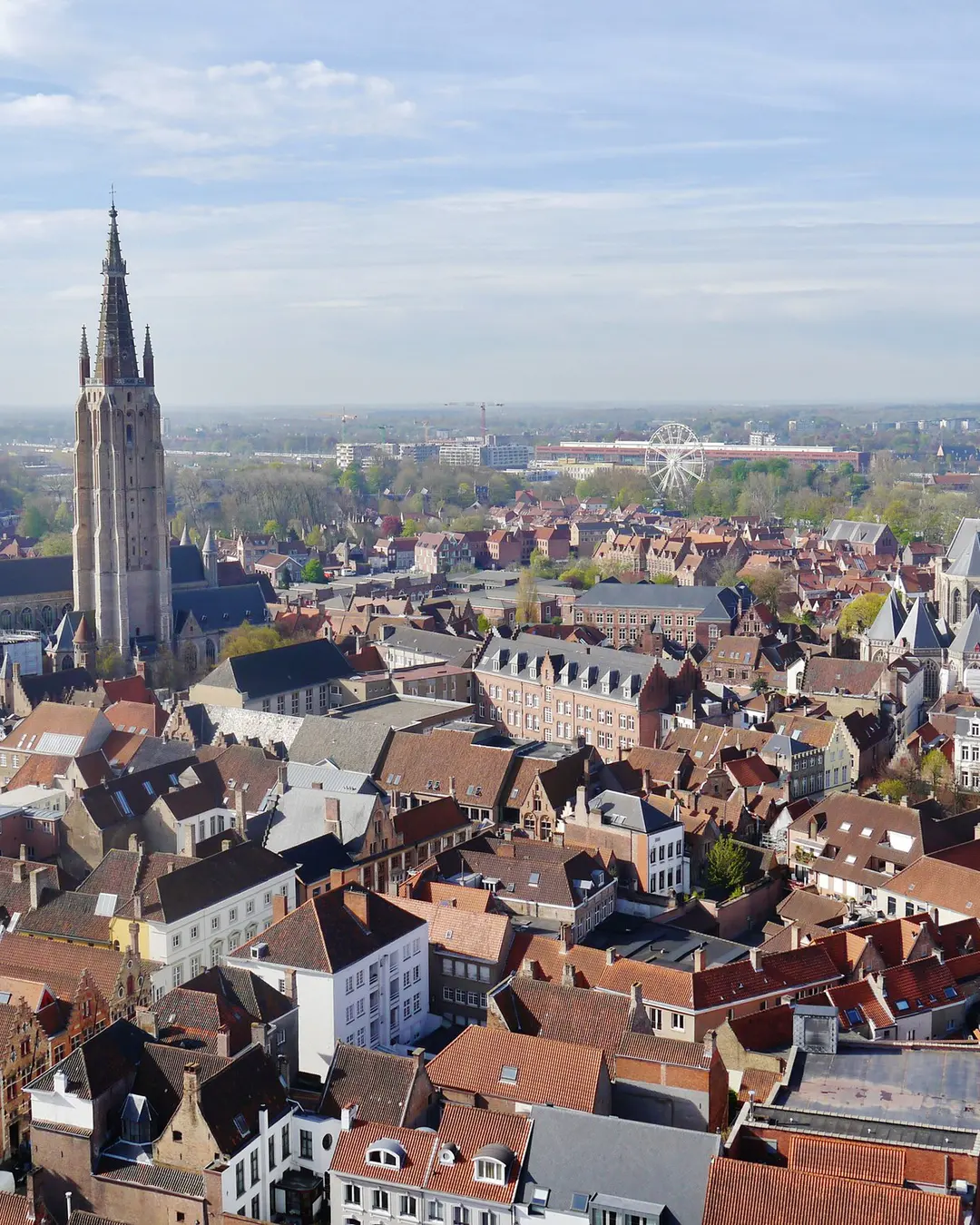
- Netherlands + Belgium: Amsterdam → Brussels → Bruges → Ghent.
- Netherlands + Belgium + France: Amsterdam → Brussels → Bruges → Paris.
- Netherlands + Germany: Amsterdam → Cologne → Frankfurt.
- Paris + Brussels + Amsterdam: a popular multi-city European structure.
- Amsterdam + Brussels + Paris: a reverse-direction alternative.
When combining countries, open-jaw flights and rail connections can help reduce backtracking and make better use of your holiday time.
Point 21 / 23
Netherlands Travel FAQ
Is Amsterdam enough for a Netherlands holiday?
Amsterdam is an excellent starting point, but the supplied guide strongly recommends adding at least one countryside experience. Zaanse Schans, Volendam, Marken, Giethoorn and Kinderdijk provide very different perspectives on the country.
How many days are ideal for the Netherlands?
Three days can cover Amsterdam, while 5–7 days provide a stronger balance of Amsterdam, countryside and other Dutch cities. Eight to ten days allow a wider route including additional towns and regions.
When should I visit the Netherlands for tulips?
Spring is the key season for tulips and Keukenhof. The supplied guide records the official 2027 Keukenhof season as 18 March–9 May 2027.
Is the Netherlands good for a honeymoon?
Yes. Amsterdam’s canals, Giethoorn’s waterways, tulip gardens, cycling, Delft and the Dutch coast create a strong city-and-countryside honeymoon combination.
Is public transport enough?
For many itineraries, yes. Trains, trams, buses and metros connect major destinations and make a car unnecessary for many travellers.
What should first-time visitors be careful about?
Be particularly aware of bicycle lanes, carry rain protection, book major attractions early and allow enough time for museums rather than trying to rush through them.
Point 22 / 23
Netherlands Pre-Departure Checklist
Documents
- Passport
- Schengen visa where required
- Travel insurance
- Flight tickets
- Hotel confirmations
- Train tickets
- Copies of important documents
Clothing & essentials
- Layered clothing
- Waterproof jacket
- Comfortable trousers
- Sweaters
- Walking shoes
- Sunglasses
- Sunscreen
- Hat
- Warm coat and thermal layers in winter
Electronics
- Universal adaptor
- Power bank
- Phone charger
- Camera or phone
What not to overpack
- Excessive formal clothing
- Bulky luggage for a short city break
- Too many pairs of shoes
- Heavy winter clothing in summer
- Large amounts of cash
Cycling safety reminder
Do not walk casually into marked bicycle lanes. Dutch cities can have fast-moving bicycle traffic even when a road or path looks quiet.
Point 23 / 23
Experience the Netherlands with Holiday Besties
The Netherlands rewards travellers who look beyond the obvious. Amsterdam gives you the canals, museums and historic streets, but the wider country adds another layer: windmills turning beside waterways, flower fields in spring, quiet village lanes, modern architecture in Rotterdam, Delft’s historic charm, The Hague’s cultural and seaside appeal, and Giethoorn’s peaceful canals.
Whether you have a long weekend, a week-long family holiday, a romantic honeymoon or a multi-country European journey, the key is to build a route around experiences rather than simply collecting destinations.
Choose your season. Pick your pace. Mix the city with the countryside. Then leave enough room for the small moments that make a Netherlands holiday feel personal.
Start planning your Netherlands holiday with Holiday Besties and create an itinerary around the places, seasons and experiences you want to remember.
Visa rules, entry requirements, opening hours, festival dates, prices and schedules change from time to time. Please check the latest information before you book — our team will confirm everything for your dates.