Point 01 / 23
Japan: Where Ancient Traditions Meet a Modern World
Japan offers a rare combination of experiences: futuristic city districts, centuries-old temples, traditional villages, mountain landscapes, beaches, remarkable food and an exceptionally well-connected rail network. The secret to a rewarding Japan holiday is not trying to see everything—it is choosing the right combination for your travel style.
Point 02 / 23
How to Choose the Right Japan Travel Plan
Start with the classic Golden Route
Tokyo → Mount Fuji/Hakone → Kyoto → Nara → Osaka
For a first visit, this route creates a balanced introduction to modern Japan, traditional culture, nature and food.
How many days should you plan?
Around 7–10 days can cover many of Japan's main highlights. With 10–14 days, you can slow the pace and consider Hiroshima, Takayama, Kanazawa or another regional destination.
Choose places around your interests
- History: Kyoto, Nara, Hiroshima
- Food: Osaka, Tokyo, Kyoto
- Nature: Mount Fuji, Hakone, Hokkaido
- Traditional Japan: Kyoto, Takayama, Shirakawa-go
- Winter: Hokkaido, Nagano, Tohoku
- Beaches: Okinawa
Include at least one traditional experience
- Tea ceremony
- Ryokan stay
- Onsen
- Kimono experience
- Japanese cooking class
- Temple stay
- Traditional craft workshop
A Japan itinerary becomes much more memorable when sightseeing is balanced with experiences that let you participate in local traditions.
Use Japan's railway network intelligently
Trains are an important part of travelling around Japan. Plan your inter-city route before purchasing rail tickets or passes so that your transportation choices fit the itinerary.
Point 03 / 23
What to Pack for a Japan Trip
Japan experiences four distinct seasons, so your packing list should follow your destination and travel dates. Comfortable footwear deserves special attention: many Japan itineraries involve substantial walking and frequent railway-station transfers.
Essential items
- Comfortable walking shoes
- Lightweight clothing
- Seasonal layers
- Compact umbrella
- Light rain jacket
- Sun hat
- Sunglasses
- Sunscreen
- Personal medicines
- Universal travel adapter
- Power bank
- Small day backpack
- Reusable water bottle
- Travel documents
Spring
Pack layers because temperatures can change during the day.
Summer
Choose breathable clothing and carry sunscreen, a hat and rain protection.
Autumn
Light jackets and layers are useful for changing temperatures.
Winter
Warm clothing, thermal layers, gloves and appropriate footwear may be needed, particularly in northern Japan.
For temples and traditional experiences
Wear comfortable and respectful clothing. Some traditional establishments may also require shoes to be removed.
For an onsen
A small toiletry bag and quick-drying items are practical.
Smart packing tip
Pack light enough to move comfortably between hotels and railway stations. Japan is much easier to explore when luggage does not slow you down.
Point 04 / 23
Tips for Booking Flights to Japan
Compare Tokyo airports
Check both Haneda and Narita according to your airline, fare and overall itinerary.
Consider Osaka for arrival or departure
If your journey finishes in Kyoto or Osaka, flying out of Osaka can sometimes avoid an unnecessary return to Tokyo.
Look at open-jaw flights
For example, India → Tokyo and Osaka → India can work naturally with a Tokyo–Kyoto–Osaka itinerary.
Compare different departure dates
Airfares can vary around cherry-blossom season, Golden Week, summer holidays and New Year.
Compare domestic flights with Shinkansen
For longer journeys, consider both domestic flights and bullet trains. The better option depends on the route, timing and final fare.
Compare the complete fare
- Checked baggage
- Seat selection
- Meals
- Cancellation rules
- Airport transfers
- Connecting-flight requirements
Point 05 / 23
Five Fascinating Facts About Japan
- Japan has 27 UNESCO World Heritage properties.
- Kyoto was Japan's imperial capital for more than 1,000 years.
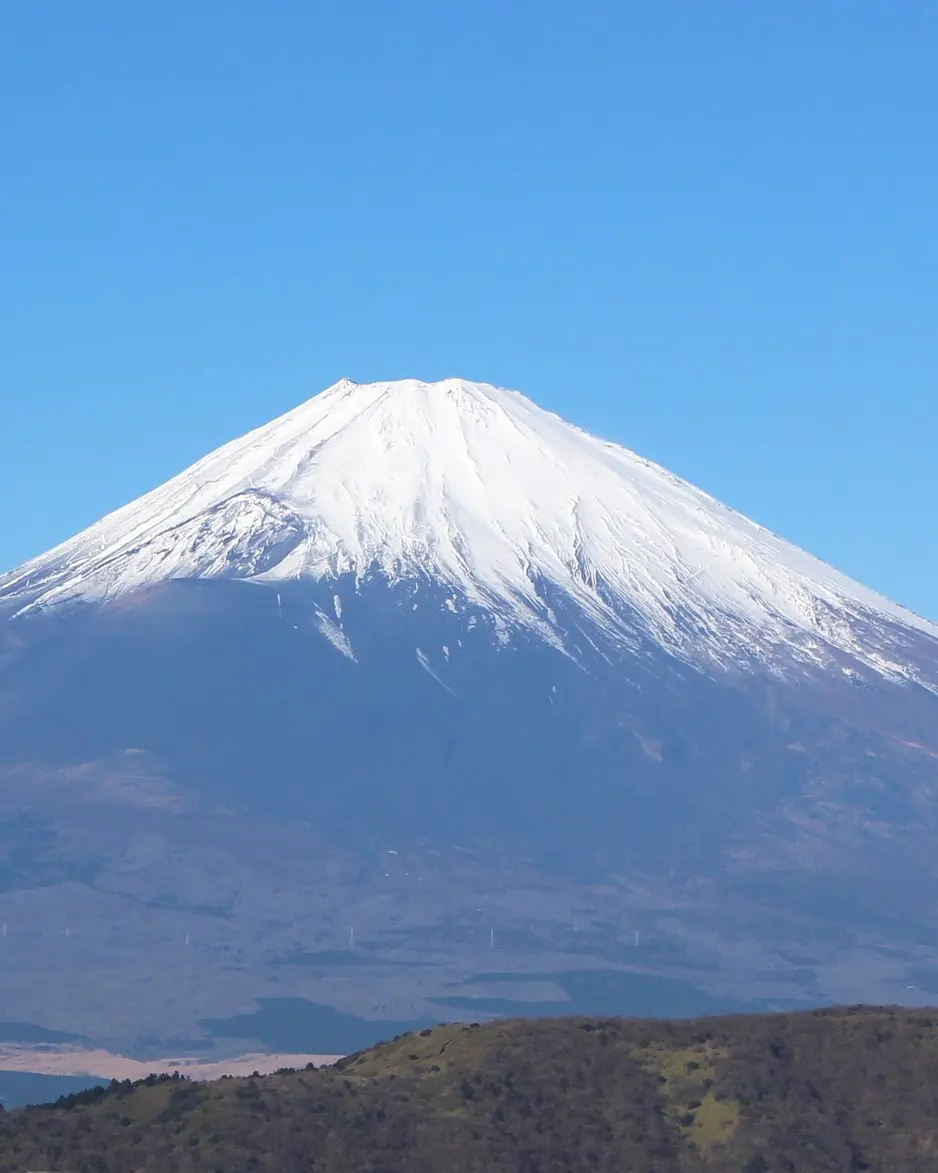
- Mount Fuji is 3,776 metres high and is recognised as a UNESCO World Heritage cultural property.
- Nara was Japan's capital from 710 to 784.
- Japan brings ancient and modern worlds together, often within the same itinerary.
Point 06 / 23
Five Places to Stay in Japan
Tokyo
Japan's enormous modern capital combines shopping, food, entertainment, history and neighbourhoods with very different personalities. Best for: First-time visitors, shopping, food and nightlife.
Kyoto
The cultural heart of Japan, with temples, shrines, gardens, traditional streets and historic neighbourhoods. Best for: Culture, couples and heritage.
Osaka
A lively city known for food, entertainment and an energetic urban atmosphere. Best for: Food lovers, families and nightlife.
Hakone
A popular escape from Tokyo known for hot springs, mountain scenery and Mount Fuji views. Best for: Couples, relaxation and luxury.
Hiroshima
An important historical destination with access to Miyajima and Itsukushima Shrine. Best for: History and cultural travel.
Point 07 / 23
Six Historical Landmarks
Fushimi Inari Taisha – Kyoto
Famous for its seemingly endless rows of vermilion torii gates.
Kinkaku-ji – Kyoto
The Golden Pavilion is one of Kyoto's most recognisable landmarks.
Todai-ji – Nara
Famous for its enormous Great Buddha and historic temple complex.
Himeji Castle
One of Japan's most celebrated surviving castles and a UNESCO World Heritage property.
Hiroshima Peace Memorial
The Genbaku Dome is preserved as a reminder of the atomic bombing and forms part of the Hiroshima Peace Memorial UNESCO property.
Itsukushima Shrine – Miyajima
Famous for its celebrated torii gate and island setting.
Point 08 / 23
Seven Things to Do in Japan
Explore Tokyo
Visit Shibuya, Asakusa, Meiji Shrine, Harajuku, Ginza and Tokyo Skytree.
Walk through Kyoto's historic districts
Explore Gion, Higashiyama and the city's famous temples and gardens.
See Mount Fuji
Consider the Fuji Five Lakes, Hakone or another viewpoint around the mountain.
Ride a Shinkansen
The bullet train is both an efficient transport option and an iconic part of modern Japanese travel.
Experience an onsen
Relax in a traditional Japanese hot spring.
Try Japanese food
Explore sushi, ramen, tempura, yakitori, okonomiyaki, wagyu and regional cuisine.
Visit Nara
See the famous free-roaming deer around Nara Park and explore ancient temples.
Point 09 / 23
Planning a Japan Honeymoon?
Japan works beautifully for couples who want a honeymoon combining luxury, culture, food, scenery and experiences that feel genuinely different from a conventional beach holiday.
Classic romantic itinerary
Tokyo + Hakone + Kyoto
Major highlights for couples
Tokyo + Mount Fuji + Kyoto + Osaka
Culture and food
Kyoto + Nara + Osaka
City and beach
Tokyo + Kyoto + Okinawa
Honeymoon tips
- Stay in a traditional ryokan for at least one night.
- Add a private onsen experience.
- Enjoy a Japanese kaiseki dinner.
- Include a Mount Fuji excursion.
- Reserve a romantic restaurant.
- Allow free time in Kyoto.
- Consider a scenic train journey.
A slower honeymoon is often a happier honeymoon
Avoid changing hotels every night. Give yourselves time to enjoy a ryokan, an onsen, a long dinner or an unplanned Kyoto walk.
Point 10 / 23
Eight Essential Tips for a First Trip to Japan
- Plan your railway route before travelling.
- Allow plenty of walking time.
- Respect local etiquette in temples, shrines, public transport and residential areas.
- Keep noise low on public transport.
- Carry a small bag for rubbish because public bins can be limited in some areas.
- Remove shoes when required.
- Carry some cash; it remains useful in smaller establishments.
- Do not over-schedule. Free time can make the experience more enjoyable.
Point 11 / 23
Shopping in Japan: What to Buy
Japan ranges from traditional handicrafts and tea to fashion, electronics, stationery and specialist food products.
- Japanese tea
- Matcha products
- Ceramics
- Chopsticks
- Traditional crafts
- Kimono-inspired products
- Stationery
- Cosmetics
- Electronics
- Anime merchandise
- Kitchen knives
- Japanese snacks
Tokyo shopping
- Ginza
- Shibuya
- Shinjuku
- Akihabara
- Asakusa
Kyoto shopping
- Ceramics
- Tea
- Traditional crafts
- Fans
- Textiles
- Sweets
Osaka shopping
- Dotonbori
- Shinsaibashi
- Namba
Shopping tip
Keep receipts for expensive purchases and check duty-free eligibility and customs rules before leaving Japan.
Point 12 / 23
Seven Ways to Travel Japan on a Budget
- Travel during shoulder seasons where practical.
- Stay near railway stations to reduce local transportation time and costs.
- Consider business hotels for clean, compact and practical accommodation.
- Eat at local restaurants and explore different price points.
- Use convenience stores strategically for breakfast, snacks and travel meals.
- Compare rail and domestic-flight options according to route, timing and fare.
- Avoid unnecessary hotel changes; staying 2–3 nights in each city can reduce transport and luggage-handling costs.
Point 13 / 23
More Interesting Facts About Japan
- Japan has thousands of islands.
- Japanese cuisine differs significantly between regions.
- Osaka is strongly associated with street food and casual dining.
- Kyoto is internationally known for temples, gardens and traditional culture.
- Hokkaido is famous for winter scenery and skiing.
- Okinawa has a subtropical climate and distinctive island culture.
- Traditional Japanese gardens have influenced landscape design internationally.
- Japan combines traditional architecture with highly advanced modern cities.
Point 14 / 23
Japan Activities to Build into Your Holiday
Tokyo
- City sightseeing
- Asakusa
- Meiji Shrine
- Shibuya
- Harajuku
- Tokyo Skytree
- Ginza
- Tokyo Bay
- Shopping
Mount Fuji / Hakone
- Mount Fuji viewpoints
- Hakone Ropeway
- Lake Ashi
- Onsen
- Ryokan stay
- Scenic countryside
Kyoto
- Fushimi Inari
- Kinkaku-ji
- Kiyomizu-dera
- Arashiyama
- Gion
- Tea ceremony
- Kimono experience
Nara
- Nara Park
- Todai-ji
- Kasuga Taisha
- Traditional streets
Osaka
- Osaka Castle
- Dotonbori
- Shinsaibashi
- Umeda
- Local food tour
Hiroshima
- Peace Memorial Park
- Atomic Bomb Dome
- Hiroshima Peace Memorial Museum
- Miyajima
- Itsukushima Shrine
Other experiences
- Bullet train journey
- Sushi-making class
- Japanese cooking class
- Onsen
- Traditional craft workshops
- Samurai experiences
- Sake brewery visits
Point 15 / 23
Eight Festivals and Seasonal Experiences
Gion Matsuri – Kyoto
One of Japan's best-known traditional festivals, held during July.
Awa Odori – Tokushima
A famous summer dance festival held in August.
Sapporo Snow Festival
A major winter event famous for enormous snow and ice sculptures.
Nebuta Festival – Aomori
Known for spectacular illuminated floats.
Takayama Festival
A historic festival celebrated in spring and autumn.
Tenjin Matsuri – Osaka
A major traditional festival featuring processions and boat ceremonies.
Kanda Matsuri – Tokyo
A major traditional festival associated with Tokyo's Kanda Shrine.
Hakata Gion Yamakasa – Fukuoka
A historic festival famous for elaborate floats and energetic races.
Cherry blossom season
Cherry blossom is not technically a festival, but it is one of Japan's defining seasonal travel experiences. Exact flowering dates vary by location and year.
Point 16 / 23
Ten Historical Places to Visit in Japan
- Fushimi Inari Taisha – Kyoto
- Kiyomizu-dera – Kyoto
- Kinkaku-ji – Kyoto
- Todai-ji – Nara
- Himeji Castle
- Hiroshima Peace Memorial
- Itsukushima Shrine – Miyajima
- Nijo Castle – Kyoto
- Nikko Toshogu Shrine
- Shirakawa-go
These places offer a window into Japan's religious, political, architectural and cultural history, from Kyoto's temples to the historic village landscapes of Shirakawa-go.
Point 17 / 23
Indian Food in Japan
Japan has a well-established Indian dining scene, particularly in Tokyo, Osaka, Kyoto, Yokohama and other major cities. Restaurant operations, branches and menus can change, so current details should be checked before a trip.
Tokyo
- Nataraj – Tokyo
- Dhaba India – Tokyo
- Priya Indian Restaurant – Tokyo
- Sitaara – Tokyo
- Moti – Tokyo
Osaka
- Shama – Osaka
- Ali's Kitchen – Osaka
Kyoto
- Kerela – Kyoto
- Indian Restaurant Namaste – Kyoto
Hiroshima
Gandhi – Hiroshima
Point 18 / 23
Japanese Restaurants and Foods to Try
Japan's culinary culture is exceptionally broad. The following is a destination dining shortlist, not a ranking.
- Sushi Saito – Tokyo
- Sukiyabashi Jiro – Tokyo
- Den – Tokyo
- Narisawa – Tokyo
- Kikunoi – Kyoto
- Hyotei – Kyoto
- Hajime – Osaka
- Mizai – Kyoto
- Harijyu – Osaka
- Ichiran – Tokyo / Osaka and other cities
Essential Japanese foods
- Sushi
- Sashimi
- Ramen
- Tempura
- Yakitori
- Okonomiyaki
- Takoyaki
- Wagyu
- Kaiseki
- Udon
- Soba
- Matcha desserts
Point 19 / 23
Tourist Places to Visit on a Japan City Tour
Tokyo
- Tokyo Skytree
- Senso-ji Temple
- Asakusa
- Shibuya Crossing
- Meiji Shrine
- Harajuku
- Ginza
- Tokyo Tower
- Imperial Palace area
Kyoto
- Fushimi Inari
- Kiyomizu-dera
- Kinkaku-ji
- Arashiyama
- Gion
- Nishiki Market
- Nijo Castle
- Philosopher's Path
Osaka
- Osaka Castle
- Dotonbori
- Shinsaibashi
- Umeda
- Kuromon Market
- Shinsekai
Nara
- Nara Park
- Todai-ji
- Kasuga Taisha
- Naramachi
Hiroshima
- Peace Memorial Park
- Atomic Bomb Dome
- Hiroshima Peace Memorial Museum
- Miyajima
- Itsukushima Shrine
Hakone
- Lake Ashi
- Hakone Shrine
- Owakudani
- Hakone Ropeway
- Onsen resorts
Point 20 / 23
What to Pack — and What to Leave Behind
Pack
- Comfortable walking shoes
- Seasonal clothing
- Light layers
- Rain jacket
- Compact umbrella
- Sunscreen
- Travel adapter
- Power bank
- Small backpack
- Personal medicines
- Travel documents
- Reusable water bottle
Avoid overpacking
- Excessive heavy clothing
- Too many formal outfits
- Multiple bulky shoes
- Oversized luggage
- Excessive toiletries
- Unnecessary valuables
Adjust for the season
- Winter
- add thermal layers, gloves, warm socks and suitable footwear.
- Summer
- pack breathable clothing, sunscreen and rain protection.
- Cherry-blossom season
- carry layers because mornings and evenings can be cooler.
- Hiking
- use suitable footwear and weather-appropriate outdoor equipment.
Point 21 / 23
Getting Ready for a Japan Tour
Before travelling
- Passport validity checked
- Visa requirements confirmed
- Flights confirmed
- Hotels confirmed
- Travel insurance arranged
- Airport transfers confirmed
- Rail arrangements checked
Transportation
Understand your route before arrival. A classic journey can be Tokyo → Hakone/Mount Fuji → Kyoto → Nara → Osaka. A longer journey can extend to Tokyo → Hakone → Kyoto → Hiroshima → Osaka.
Reserve appropriate train tickets where necessary and allow enough time for station transfers.
Weather
Japan's weather varies considerably by region and season. Spring is associated with cherry blossoms, summer with festivals and outdoor activities, autumn with foliage and comfortable sightseeing conditions in many regions, while winter offers snow destinations and winter sports.
Etiquette to remember
- Remove shoes where requested.
- Avoid loud conversations on trains.
- Follow temple and shrine etiquette.
- Queue properly.
- Avoid eating while walking where it is discouraged.
- Respect photography restrictions.
Food
Try regional specialities rather than eating only familiar international cuisine. Food is one of the easiest ways to discover the differences between Japanese regions.
Technology
Download essential travel information and keep hotel addresses and transport details available offline.
Final planning tip
The ideal Japan itinerary balances MODERN CITIES + ANCIENT CULTURE + MOUNT FUJI + JAPANESE FOOD + RAIL JOURNEYS + TRADITIONAL EXPERIENCES.
Point 22 / 23
Japan in One Line
Japan is a remarkable blend of ancient temples, futuristic cities, breathtaking landscapes, world-famous cuisine, efficient rail journeys and deeply rooted traditions—offering a travel experience that can feel completely different from one region to the next.
Point 23 / 23
Japan Travel Guide: Helpful Questions Before You Go
How many days are enough for Japan?
Around 7–10 days can cover the main highlights. With 10–14 days, you can travel at a more relaxed pace and add destinations such as Hiroshima, Takayama or Kanazawa.
What is the classic Japan itinerary?
A common first-trip structure is Tokyo → Mount Fuji/Hakone → Kyoto → Nara → Osaka.
What are the best places to visit in Japan?
For a first trip, Tokyo, Kyoto, Osaka, Mount Fuji/Hakone and Nara provide a broad mix of city life, culture, scenery and food. Hiroshima, Hokkaido, Okinawa and other regions can be added according to interests.
Is Japan good for a honeymoon?
Yes. Couples can combine Tokyo, Hakone, Kyoto and optional Osaka, Okinawa or other destinations with ryokan stays, private onsen experiences, scenic journeys and Japanese dining.
What should I pack for Japan?
Pack comfortable walking shoes, seasonal layers, rain protection, a small backpack, personal medicines, travel documents, a universal adapter and a power bank.
Is Japan expensive?
Costs vary significantly by season, destination, accommodation and dining choices. Business hotels, local restaurants and sensible routing can help manage a travel budget.
What food should I try in Japan?
Sushi, sashimi, ramen, tempura, yakitori, okonomiyaki, takoyaki, wagyu, kaiseki, udon, soba and matcha desserts are among the foods highlighted in the source guide.
Should I use trains in Japan?
Rail is an important part of Japanese travel. Plan your inter-city route before buying tickets or passes and compare rail with domestic flights for longer distances.
Visa rules, entry requirements, opening hours, festival dates, prices and schedules change from time to time. Please check the latest information before you book — our team will confirm everything for your dates.