Point 01 / 24
Cambodia Travel Guide
Cambodia is much more than Angkor Wat. A well-planned holiday can combine ancient temples, royal heritage, river landscapes, local culture, beaches and distinctive Cambodian cuisine. This guide is designed to help travellers build a balanced Cambodia holiday around the experiences that matter most to them.
Point 02 / 24
5 Tips to Help You Choose the Right Cambodia Travel Plan
- Decide how much of Cambodia you want to see. For a short holiday, concentrate on Siem Reap and Angkor. For a more complete experience, combine Phnom Penh, Siem Reap and a beach destination.
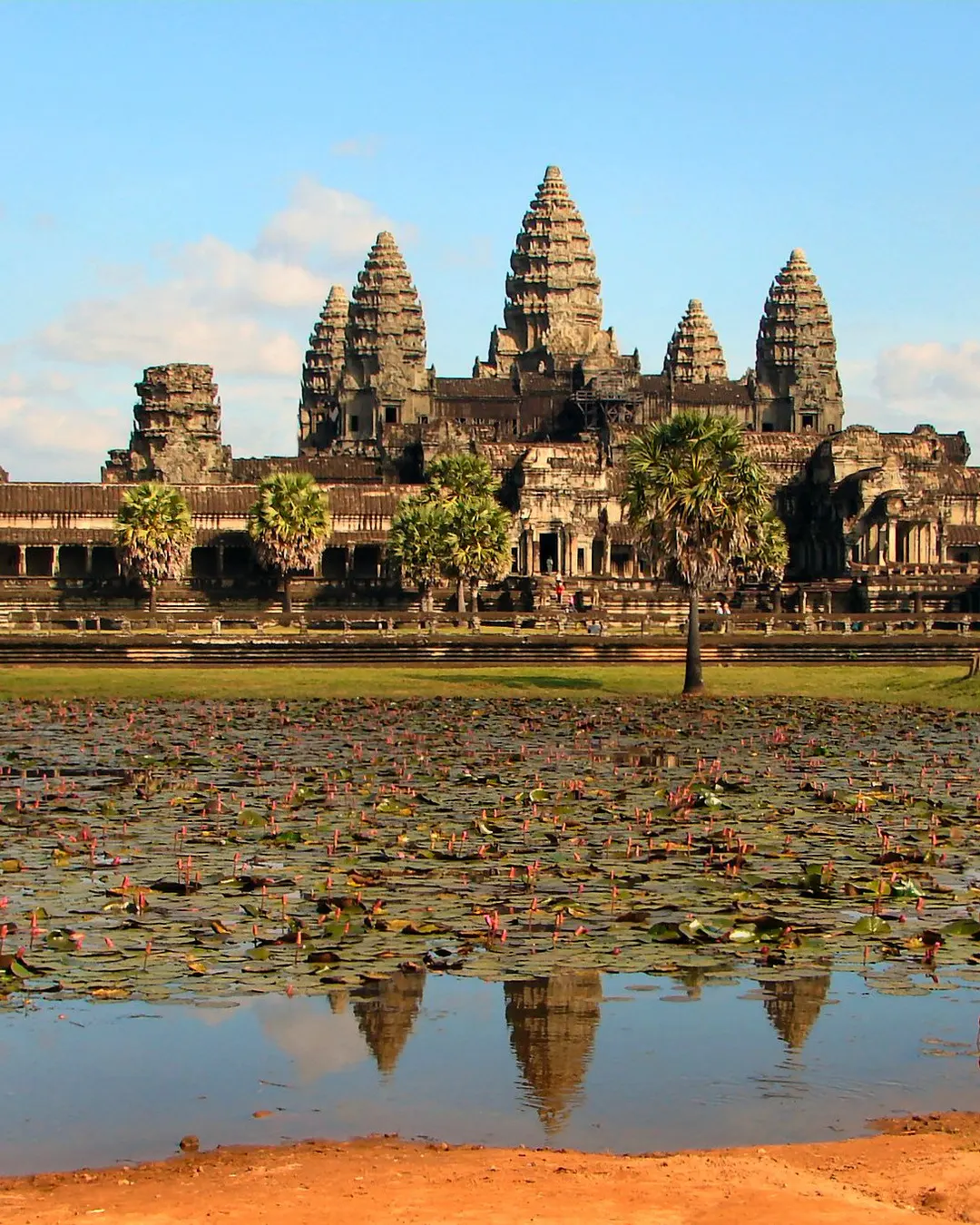
- Allow enough time for Angkor. The archaeological area is extensive, covering approximately 400 sq km and including Angkor Wat, Angkor Thom, Bayon, Ta Prohm and many other monuments.
- Consider adding Phnom Penh. The capital offers a different side of Cambodia through the Royal Palace, Silver Pagoda, museums, markets and the Mekong riverfront.
- Add a beach extension if relaxation is important. Koh Rong, Koh Rong Sanloem or the Sihanoukville area can provide a tropical finish after sightseeing.
- Cambodia can work well for couples, honeymooners, families, senior travellers and solo travellers, as well as for cultural, luxury and adventure holidays and multi-country Vietnam–Cambodia itineraries.
Point 03 / 24
What to Pack for a Cambodia Trip
Cambodia is tropical, warm and humid for much of the year. The cooler period generally runs from November to March, the hotter period is approximately March–May, and the rainy season is generally May–October.
Essential items include lightweight cotton clothing, comfortable walking shoes, sandals, sunglasses, a sun hat, sunscreen, mosquito repellent, a light rain jacket, a compact umbrella, a reusable water bottle, power bank, universal travel adapter, personal medicines, a small day backpack and copies of your passport and travel documents.
For Angkor, choose comfortable footwear because temple exploration involves considerable walking. For religious sites, carry modest clothing that covers shoulders and knees. For island stays, add swimwear, beachwear, quick-dry clothing and a waterproof pouch.
Smart packing tip: keep luggage lightweight. A Cambodia itinerary can involve multiple hotels, road transfers, domestic flights and boat transfers.
Point 04 / 24
How to Plan Flights to Cambodia More Efficiently
- Compare Phnom Penh and Siem Reap as possible international arrival or departure points according to your itinerary.
- For a multi-city holiday, consider an open-jaw plan: arriving in one city and departing from another can reduce unnecessary backtracking.
- If Cambodia forms part of a wider Southeast Asian holiday, routing through Ho Chi Minh City, Bangkok or Hanoi may be worth comparing.
- Check baggage allowances carefully because headline fares may exclude checked baggage, meals or seat selection.
- Plan the route before booking domestic flights or transfers between Phnom Penh, Siem Reap and coastal destinations.
Compare the complete holiday cost rather than airfare alone. Consider flights, hotels, airport transfers, sightseeing, entrance fees and local transportation together.
Point 05 / 24
Five Interesting Facts About Cambodia
- Angkor is much larger than Angkor Wat alone. The Angkor World Heritage property covers approximately 400 sq km and contains temples, reservoirs, canals and other archaeological remains.
- Cambodia has five UNESCO World Heritage properties, including Angkor, Preah Vihear, Sambor Prei Kuk, Koh Ker and the Cambodian Memorial Sites.
- Koh Ker was once a capital of the Khmer Empire in the 10th century and is known for distinctive architecture and large monolithic stone construction.
- Sambor Prei Kuk is associated with ancient Ishanapura, the capital of the Chenla Empire, and contains more than a hundred pre-Angkorian temples and structures.
- Cambodian culture reflects centuries of Khmer traditions together with Hindu and Buddhist influences in architecture, religion, dance, sculpture and cuisine.
Point 06 / 24
Best Places to Stay in Cambodia
Siem Reap: the natural base for exploring Angkor, with accommodation across budget, mid-range, boutique and luxury categories. Best suited to culture, temples, families, couples and first-time visitors.
Phnom Penh: a strong choice for history, museums, shopping, restaurants and city life. It works well for city breaks and multi-city holidays.
Kampot: a relaxed riverside destination known for countryside scenery, pepper plantations and nearby attractions. A good fit for couples, slow travel and food lovers.
Koh Rong and Koh Rong Sanloem: tropical island destinations with beaches and a relaxed atmosphere, well suited to honeymoons, couples and beach holidays.
Battambang: known for colonial architecture, countryside experiences and cultural attractions, making it appealing for travellers looking beyond the main tourist circuit.
Point 07 / 24
Six Historical Landmarks to Explore
- Angkor Wat: Cambodia's most famous monument and the centrepiece of the Angkor archaeological complex.
- Bayon Temple: within Angkor Thom and famous for its monumental stone faces.
- Ta Prohm: known for its atmospheric setting, where trees and vegetation are closely associated with the temple's appearance.
- Royal Palace, Phnom Penh: an important symbol of Cambodia's royal heritage.
- Banteay Srei: a smaller temple complex celebrated for intricate sandstone carvings.
- Preah Vihear: a Khmer-era temple complex dramatically positioned in a mountainous setting. Cambodia's heritage portfolio also includes Sambor Prei Kuk and Koh Ker for travellers who want to explore beyond Angkor.
Point 08 / 24
Seven Best Things to Do in Cambodia
- Watch sunrise at Angkor Wat.
- Explore Angkor Thom and Bayon and discover its monumental architecture and carved faces.
- Visit Ta Prohm and experience one of Angkor's most atmospheric temple landscapes.
- Take a Tonle Sap boat trip and explore the famous lake and its floating or stilted communities.
- Discover Phnom Penh through the Royal Palace, Silver Pagoda, museums and riverside areas.
- Relax on a Cambodian island such as Koh Rong or Koh Rong Sanloem after temple sightseeing.
- Experience Cambodian cuisine, including dishes such as fish amok, lok lak, kuy teav, Khmer curry and nom banh chok.
Point 09 / 24
Planning a Honeymoon in Cambodia
- Cambodia can be an engaging honeymoon destination because couples can combine ancient temples, boutique stays, tropical beaches, river experiences and cultural discovery.
- Siem Reap + Koh Rong Sanloem works well for a combination of temple exploration and peaceful beach time.
- Siem Reap + Phnom Penh suits couples who prefer culture and history.
- Siem Reap + Kampot + a beach stay creates a slower route combining heritage, countryside and coastal relaxation.
- Vietnam + Cambodia can create a broader regional journey combining destinations such as Ho Chi Minh City, Phnom Penh and Siem Reap.
For a honeymoon, consider at least three nights in Siem Reap, an early-morning Angkor visit, relaxed afternoons, a spa treatment, a special Cambodian dinner, a private temple tour and a beach finish.
Point 10 / 24
Essential Guidelines for Your First Cambodia Trip
Do not treat Angkor Wat as a one-hour attraction. The archaeological area is extensive, so allow adequate time.
Start temple sightseeing early when possible; mornings are generally more comfortable than the hottest part of the day.
Dress respectfully, particularly at temples and religious sites.
Carry some cash. Cards are accepted in many established businesses, but cash remains useful for smaller purchases.
Keep the itinerary realistic. Road travel between destinations can take longer than expected.
Drink sufficient water because Cambodia's tropical climate can be hot and humid.
Show respect at memorial sites, some of which are associated with painful periods of Cambodia's modern history.
Leave room for local experiences. Markets, food, villages and countryside can be as memorable as major monuments.
Point 11 / 24
Shopping in Cambodia
Cambodia offers traditional handicrafts alongside modern shopping areas and markets.
Popular purchases include Cambodian silk, handwoven textiles, Khmer handicrafts, silverware, lacquerware, bamboo products, handmade jewellery, Cambodian coffee, Kampot pepper, local spices, artwork and traditional souvenirs.
In Siem Reap, explore the Old Market, Angkor Night Market and craft centres. In Phnom Penh, look at Central Market, Russian Market and modern shopping malls. In Kampot, look for locally produced pepper, spices and regional products.
For expensive antiques, gemstones or artwork, purchase from reputable establishments and request appropriate documentation.
Point 12 / 24
Ways to Travel to Cambodia on a Budget
- Travel during shoulder periods when accommodation and tour prices may vary more favourably.
- Consider staying outside the most expensive hotel zones; Siem Reap offers a wide range of accommodation.
- Eat locally at restaurants and markets for good-value meals.
- Use shared transfers where practical.
- Compare organised sightseeing with the combined cost of individual entrance fees, transport and guide services.
- Combine destinations efficiently and avoid returning repeatedly to the same city because of inefficient routing.
- Compare package inclusions carefully, including airport transfers, temple passes, guides, meals, boats, domestic transport, hotel taxes and excursions.
Point 13 / 24
More Interesting Cambodia Facts
- Cambodia's official language is Khmer.
- Angkor was the centre of the Khmer Kingdom for centuries.
- Angkor Archaeological Park contains numerous temples and ancient hydraulic structures.
- Tonle Sap is one of Southeast Asia's major inland water bodies.
- Cambodia has both mainland and island beach destinations.
- Koh Ker became a Khmer imperial capital in the 10th century.
- Sambor Prei Kuk represents an important pre-Angkorian architectural tradition.
- Cambodian cuisine makes extensive use of herbs, spices, fish, rice and coconut.
- Apsara dance is one of Cambodia's best-known traditional performing arts.
- Kampot is internationally associated with its distinctive pepper.
Point 14 / 24
Cambodia Activities to Build into a Holiday
Siem Reap: Angkor Wat sunrise, Angkor Thom, Bayon, Ta Prohm, Banteay Srei, Roluos Group, Tonle Sap excursion, floating village visit, Cambodian cultural show and Khmer cooking class.
- Phnom Penh
- Royal Palace, Silver Pagoda, National Museum, Mekong riverside, Central Market, traditional food tour and historical sightseeing.
- Kampot
- pepper plantation visit, countryside tour, Kampot River experience and Bokor Mountain excursion.
- Southern Cambodia
- Koh Rong, Koh Rong Sanloem, beach activities, island excursions, snorkelling and diving.
Point 15 / 24
Festivals and Cultural Experiences
- Khmer New Year is usually celebrated in April and is one of Cambodia's most important traditional festivals.
- Water Festival – Bon Om Touk is associated with boat racing and the changing flow of the Tonle Sap River.
- Pchum Ben is a significant religious and cultural observance honouring ancestors.
- The Royal Ploughing Ceremony is a traditional agricultural ceremony associated with the beginning of the rice-growing season.
- Angkor Sankranta is a major New Year celebration in Siem Reap with traditional games, performances and cultural activities.
- The Sea Festival celebrates Cambodia's beaches, food, culture and coastal tourism.
- The Giant Puppet Parade is associated with Siem Reap and community-based cultural performances.
- Bonn Kathen is a Buddhist tradition involving offerings to monks and community participation.
- Festival dates can change from year to year, particularly events following the Khmer or Buddhist calendar, so confirm dates before building fixed-date holidays.
Point 16 / 24
Ten Historical Places to Visit in Cambodia
- Angkor Wat
- Angkor Thom
- Bayon Temple
- Ta Prohm
- Banteay Srei
- Preah Vihear
- Koh Ker
- Sambor Prei Kuk
- Royal Palace – Phnom Penh
- Battambang's historic quarter
Point 17 / 24
Indian Food in Cambodia
Indian cuisine is available in Cambodia's principal tourist centres, particularly Siem Reap and Phnom Penh. The source material identifies Indian dining options in Siem Reap, Phnom Penh, Sihanoukville/coastal Cambodia and Battambang.
When planning meals for Indian travellers, confirm restaurant names, operating hours and availability immediately before publication or booking because dining options can change. For Jain, vegan, no-onion/no-garlic or other dietary needs, confirm preparation requirements directly in advance.
Point 18 / 24
Cambodian Food to Try
Cambodia's dining scene ranges from traditional markets and local Khmer restaurants to contemporary dining.
Try fish amok, beef lok lak, Khmer curry, kuy teav, nom banh chok, fresh spring rolls, Cambodian barbecue and dishes featuring Kampot pepper.
For an authentic food experience, combine restaurants with local markets, street-food walks and a traditional Cambodian cooking experience.
Point 19 / 24
Tourist Places for a Cambodia City Tour
- Siem Reap
- Angkor Wat, Angkor Thom, Bayon, Ta Prohm, Banteay Srei, Old Market, Pub Street, Tonle Sap, floating villages and the Roluos Group.
- Phnom Penh
- Royal Palace, Silver Pagoda, National Museum, Central Market, Russian Market, Wat Phnom and the Mekong Riverfront.
- Battambang
- colonial architecture, Bamboo Train experience, Phnom Sampeau, memorial sites and countryside villages.
- Kampot
- Kampot River, pepper plantations, Bokor Mountain, countryside and local markets.
- Sihanoukville and the islands
- beaches, Koh Rong, Koh Rong Sanloem, island excursions, snorkelling and diving.
Point 20 / 24
What to Pack — and What Not to Pack
Pack lightweight clothing, comfortable walking shoes, sandals, sun protection, a rain jacket, umbrella, mosquito repellent, personal medicines, a travel adapter, power bank, small backpack, swimwear, modest temple clothing and a reusable water bottle.
Avoid excessive heavy clothing, too many formal outfits, multiple pairs of bulky shoes, unnecessary valuables, excessive toiletries and heavy luggage.
For Angkor, choose footwear for long walks over appearance. For the islands, include lightweight beachwear and waterproof storage. During the rainy season, a compact waterproof layer is particularly useful.
Point 21 / 24
Cambodia Trip Preparation Checklist
Documents: check passport validity, confirm visa/e-visa requirements, confirm flight tickets and hotel reservations, arrange travel insurance and confirm airport transfers.
- Money
- carry a combination of payment cards and local currency, with some cash for markets, smaller restaurants and local transportation.
- Weather
- Cambodia has a tropical climate; November–March is generally cooler, March–May hotter, and May–October the rainy season.
- Temple visits
- plan sightseeing around the heat, wear suitable footwear and dress respectfully.
- Transportation
- plan the route carefully between Phnom Penh, Siem Reap, Battambang, Kampot and the coast.
- Angkor planning
- do not underestimate the archaeological area's size. Allow enough time for major temples instead of trying to see everything in one rushed day.
- Beach extension
- allow enough time for transfers to and from the islands.
Point 22 / 24
Ready-to-Use Cambodia Holiday Ideas
- Classic Cambodia 5N/6D: Siem Reap + Angkor + Tonle Sap + Phnom Penh.
- Cambodia Highlights 6N/7D: Siem Reap + Angkor + Phnom Penh + local food and cultural experiences.
- Cambodia & Beach 7N/8D: Siem Reap + Angkor + Koh Rong or Koh Rong Sanloem.
- Heritage Cambodia 8N/9D: Siem Reap + Phnom Penh + Battambang + selected heritage sites.
- Slow Cambodia 8N/9D: Siem Reap + Kampot + island relaxation.
- Honeymoon Cambodia 7N/8D: Siem Reap + private temple experiences + beach stay.
- Grand Cambodia 10N/11D: Siem Reap + Phnom Penh + Battambang or Kampot + islands.
These are planning formulas rather than fixed schedules; final routing should reflect transport time, hotel availability, traveller interests and the season.
Point 23 / 24
Cambodia Travel Tips for Indian Travellers
- Build the itinerary around realistic transfer times rather than trying to fit every destination into a short holiday.
- Keep a mix of comfortable sightseeing and relaxed time, especially when combining temples with beach stays.
- Indian food is available in key tourist centres, but travellers with specific dietary requirements should confirm preparation details in advance.
- Carry comfortable footwear and modest temple clothing.
- Compare the full holiday cost, including flights, baggage, hotels, transfers, sightseeing, entrance fees, meals and optional experiences.
- Confirm current visa or e-visa requirements before departure because entry rules can change.
Point 24 / 24
Cambodia in One Line
Cambodia is a captivating Southeast Asian destination where the monumental heritage of Angkor meets Khmer culture, vibrant cities, peaceful countryside, tropical islands and distinctive cuisine.
An ideal Cambodia holiday balances ancient temples, Khmer culture, Phnom Penh, local food, countryside and beaches — with enough time to enjoy each place rather than rushing from one highlight to the next.
Visa rules, entry requirements, opening hours, festival dates, prices and schedules change from time to time. Please check the latest information before you book — our team will confirm everything for your dates.