Point 01 / 20
Why Spain deserves a place on your holiday list
Spain is one of Europe's most versatile holiday destinations. Within one country, you can move from royal palaces and grand museums to Moorish architecture, Mediterranean beaches, flamenco, football, shopping, regional food, islands, wine and lively city streets.
For Indian travellers, that variety makes Spain especially flexible. A Spain holiday can be shaped around a short city break, a family vacation, a honeymoon, a luxury escape, a summer beach holiday, a cultural journey or a longer multi-country European trip.
The key is not trying to see everything. Spain is geographically large and culturally diverse, so the best itinerary is usually the one that gives you enough time to enjoy each place rather than collecting too many city names in a few days.
Good to know: The supplied travel research identifies 50 UNESCO World Heritage properties in Spain: 44 cultural, 4 natural and 2 mixed. It also identifies 15 World Heritage Cities.
From Madrid's art and royal heritage to Barcelona's architecture and beaches, Seville's flamenco atmosphere, Granada's Moorish legacy and Málaga's Mediterranean setting, Spain rewards travellers who choose a route around experiences.
That is the philosophy behind this Holiday Besties guide: choose your travel style first, then build the route around it.
Point 02 / 20
Choose the Spain that feels right for you
There is no single 'best' Spain itinerary. Your ideal route depends on how many nights you have and what you want the trip to feel like.
Classic Spain
- Madrid + Barcelona
- — the easiest introduction for first-time visitors. Expect royal heritage, museums, shopping, food, football, Gaudí architecture, historic neighbourhoods and Mediterranean scenery.
Historic Spain
- Madrid + Seville + Córdoba + Granada
- — a strong choice for architecture, history and Andalusian culture, with royal landmarks, flamenco and Moorish heritage.
Mediterranean Spain
- Barcelona + Valencia + Costa del Sol
- — ideal when you want a blend of city sightseeing, beaches, food and Mediterranean atmosphere.
Spain Honeymoon
- Barcelona + Seville + Granada + Málaga
- — a romantic mix of architecture, intimate evenings, food, culture and coastal scenery.
Spain + Portugal
- Madrid + Seville + Lisbon + Porto
- — a longer Iberian journey for travellers who want to combine Spain with Portugal.
A useful rule: for a 5-night holiday, concentrate on two major destinations rather than trying to fit Madrid, Barcelona, Seville, Granada and Málaga into one rushed trip.
Point 03 / 20
How many days do you need for Spain?
| Trip length | Suggested route | Best suited to |
|---|---|---|
| 4N/5D | Madrid or Barcelona | A focused city break |
| 5N/6D | Madrid + Barcelona | First-time highlights |
| 6N/7D | Madrid + Barcelona + Seville | A broader first taste |
| 7N/8D | Madrid + Seville + Granada + Barcelona | Highlights + Andalusia |
| 8N/9D | Madrid + Seville + Granada + Barcelona | More breathing room |
| 10N/11D | Madrid + Seville + Córdoba + Granada + Barcelona | History + major cities |
| 12N/13D | Madrid + Seville + Granada + Valencia + Barcelona | City + culture + coast |
| 14N/15D | Grand Spain | A wide-ranging Spain journey |
| 15N/16D+ | Spain + Portugal | A longer Iberian holiday |
Travel smart: high-speed trains can make several major-city combinations practical. Build a logical route instead of repeatedly returning to the same city.
Point 04 / 20
When is the best time to visit Spain?
Spain does not have one uniform travel season. Weather and the feel of a holiday can change considerably between Madrid, northern Spain, Andalusia, the Mediterranean coast and the islands. Choose the region and experiences first, then match the season.
March to May — spring in Spain
- City sightseeing
- Andalusia
- Spring festivals
- Countryside
- Gardens
June to August — summer
- Beaches
- Islands
- Mediterranean resorts
- Long daylight hours
- Summer festivals
September to October — a balanced touring period
- City tours
- Wine regions
- Beaches
- Food experiences
- Cultural touring
November to February — winter city breaks
- Madrid
- Barcelona
- Andalusia
- Christmas markets
- Winter city breaks
- Canary Islands
Simple planning tip: If your priority is beaches and islands, summer is a natural fit. If your priority is city sightseeing and cultural touring, spring and autumn offer a useful alternative. For winter sun, consider the Canary Islands.
Point 05 / 20
What to pack for a Spain trip
Spain calls for flexible packing because temperatures and conditions vary across the country. Comfortable clothing and shoes matter more than carrying a large wardrobe.
Everyday essentials
- Comfortable walking shoes
- Lightweight trousers
- T-shirts
- Shirts or blouses
- Light sweater
- Waterproof jacket
- Sunglasses
- Hat or cap
- Sunscreen
- Smart-casual outfit
- Swimwear
For summer
- Lightweight cotton clothing
- Sunglasses
- Sun hat
- Sunscreen
- Comfortable sandals
- Reusable water bottle
For winter
- Warm jacket
- Sweater
- Scarf
- Gloves where appropriate
For northern Spain
If you are travelling to Bilbao, San Sebastián, Santiago de Compostela, Galicia, Asturias or Cantabria, carry reliable rain protection.
For island holidays
For Mallorca, Tenerife, Gran Canaria, Lanzarote or Ibiza, add beachwear and comfortable resort clothing.
Point 06 / 20
Planning flights and getting around Spain
For travellers flying from India, Madrid and Barcelona are useful international gateways. Depending on your itinerary, Málaga, Valencia, Seville and Bilbao may also make sense as arrival or departure points.
Consider an open-jaw route
For example, fly into Madrid and return from Barcelona. This can reduce unnecessary backtracking when your itinerary moves steadily across Spain.
Compare your departure options
When checking flights, compare options from Delhi, Mumbai, Bengaluru, Chennai, Hyderabad, Kolkata and Ahmedabad where relevant to your journey.
Look beyond the headline airfare
- Baggage allowance
- Airport transfers
- Connection times
- Domestic flights
- High-speed train costs
- Fare conditions
A slightly higher international fare can sometimes create a cheaper overall holiday if it removes an unnecessary domestic flight or long transfer.
Moving between cities
High-speed trains are especially useful for major city combinations. A logical route such as Madrid → Seville → Córdoba → Granada → Málaga can be more efficient than repeatedly travelling back to Madrid.
Point 07 / 20
Where to stay in Spain: choose your base by travel style
Madrid
Best for first-time travellers, families, museums, shopping, football, luxury and nightlife.
Don't miss: Royal Palace, Plaza Mayor, Prado Museum, Retiro Park and Gran Vía.
Barcelona
Best for couples, families, architecture, shopping, beaches and food.
Don't miss: Sagrada Família, Park Güell, Casa Batlló, Gothic Quarter, La Rambla and Barceloneta.
Seville
Best for honeymoons, history, flamenco, architecture and food.
Don't miss: Royal Alcázar, Cathedral, Giralda, Plaza de España and Santa Cruz.
Málaga
Best for beaches, Costa del Sol, families, art and resorts.
Don't miss: Picasso Museum, Roman Theatre, Cathedral, Gibralfaro Castle and the Costa del Sol.
Granada
Best for history, honeymoons, Moorish architecture, mountains and culture.
Don't miss: Alhambra, Generalife, Albaicín and sunset viewpoints.
Other excellent bases: Valencia, Bilbao, San Sebastián, Mallorca, Tenerife, Ibiza, Córdoba and Santiago de Compostela.
Point 08 / 20
The landmarks and experiences worth building your itinerary around
Six historical landmarks
- Alhambra, Granada: palaces, courtyards, gardens and Islamic architectural heritage.
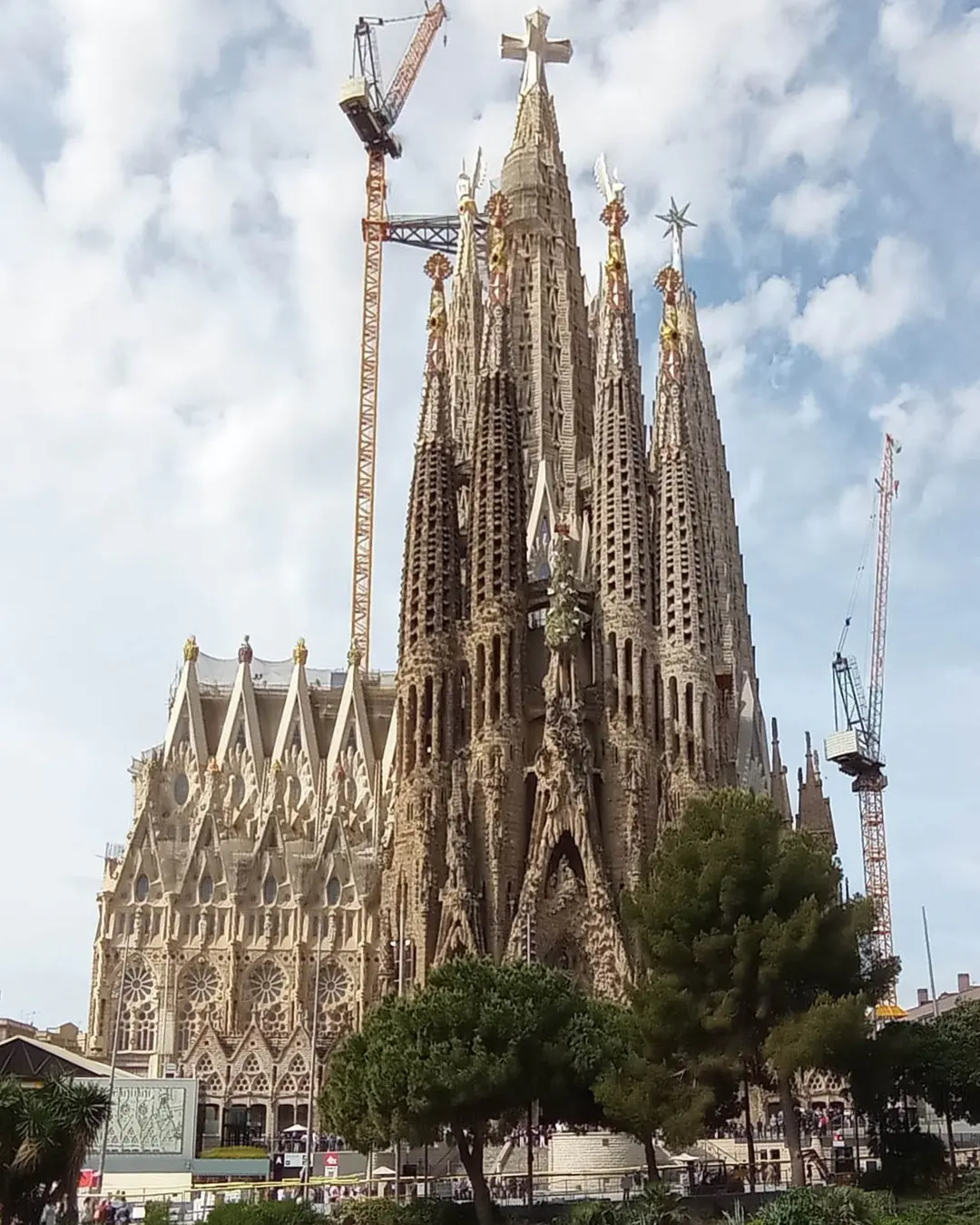
- Sagrada Família, Barcelona: Antoni Gaudí's extraordinary basilica and one of Barcelona's defining landmarks.
- Mosque-Cathedral of Córdoba: a remarkable monument reflecting the city's layered Islamic and Christian history.
- Royal Alcázar, Seville: a spectacular palace complex.
- Royal Palace, Madrid: one of the capital's principal historic landmarks.
- Segovia Aqueduct & Alcázar: a striking Roman aqueduct paired with a fairytale-like castle.
Seven experiences to prioritise
- Explore Barcelona: Sagrada Família, Park Güell, Gothic Quarter, La Rambla, Casa Batlló, Montjuïc and Barceloneta.
- Discover Madrid: Royal Palace, Prado Museum, Retiro Park, Plaza Mayor, Gran Vía, Santiago Bernabéu and Mercado de San Miguel.
- Experience Andalusia: Seville + Córdoba + Granada + Málaga for architecture, flamenco, Moorish heritage, beaches and gastronomy.
- Watch flamenco: Seville and Granada are particularly associated with flamenco experiences.
- Eat regionally: paella, tapas, jamón, tortilla española, churros, gazpacho, pintxos and crema catalana.
- Relax by the Mediterranean: Costa del Sol, Costa Brava, Costa Blanca, Mallorca, Ibiza or Menorca.
- Experience Spanish football: stadium tours, football museums and major football venues.
Point 09 / 20
Planning a Spain honeymoon? Make the journey feel romantic
Spain works beautifully for honeymooners because the itinerary can change mood every few days: architecture and food in Barcelona, romantic evenings in Seville, historic beauty in Granada and relaxed Mediterranean time around Málaga or the Costa del Sol.
A comfortable 8N/9D honeymoon framework
- Barcelona — 3 nights: Sagrada Família, Park Güell, Gothic Quarter, a romantic dinner and a sunset experience.
- Seville — 2 nights: Royal Alcázar, Cathedral, Plaza de España, a flamenco show and an evening walk.
- Granada — 1–2 nights: Alhambra, Albaicín, a sunset viewpoint and traditional dinner.
- Málaga/Costa del Sol — 2–3 nights: beach resort, private coastal experience, spa time and sunset dinner.
Romantic add-ons
- Private city tours
- Flamenco evening
- Rooftop dining
- Mediterranean cruise
- Luxury resort
- Wine tasting
- Spa experience
- Sunset sightseeing
- Private transfers
Point 10 / 20
Eight practical tips for your first Spain trip
- Don't attempt too many cities. For 5–6 nights, two or three destinations are usually enough.
- Use high-speed trains where practical for major-city connections.
- Reserve major attractions in advance, especially Sagrada Família, Alhambra, Royal Alcázar, popular museums and flamenco shows.
- Plan around local dining hours; Spanish meal times can differ from Indian or northern European schedules.
- Keep valuables secure. Take care with phones, wallets and passports in crowded areas.
- Wear comfortable shoes. Historic city centres involve substantial walking.
- Leave room for food. Tapas and regional cuisine are part of the experience.
- Choose the right region for the season. Andalusia, Mediterranean Spain and the Canary Islands can feel very different from northern Spain.
How to enjoy Spain on a budget
- Travel during shoulder season when the balance between weather and demand suits you.
- Book high-speed trains early where possible.
- Stay near transport links rather than automatically choosing the most expensive historic district.
- Use local tapas restaurants for good regional food without making every meal fine dining.
- Mix paid attractions with free experiences such as walking through historic neighbourhoods, plazas and waterfronts.
- Use public transport in major cities.
- Build a logical route to reduce unnecessary travel.
Point 11 / 20
Shopping in Spain: what to bring home
Shopping can be part of the travel experience, whether you are looking for fashion, local crafts, food products or a small reminder of your trip.
Madrid
Explore Gran Vía, the Salamanca district, Calle Serrano, El Rastro and Mercado de San Miguel.
Barcelona
Explore Passeig de Gràcia, Portal de l'Àngel, La Rambla, El Born and the La Boqueria area.
Seville
Look for ceramics, flamenco accessories, fans, leather goods and traditional crafts.
Granada
Popular souvenirs include Moorish-inspired ceramics, handicrafts, tea and local sweets.
Mallorca
Look for leather products, pearls, local crafts and food products.
Easy souvenir ideas
- Spanish saffron
- Olive oil
- Ceramics
- Leather goods
- Fans
- Football merchandise
- Local wine
- Gourmet products
- Traditional sweets
Point 12 / 20
Spain festivals: plan your holiday around a celebration
Spain has a rich festival calendar, making it possible to shape a trip around culture, food, music, traditions and street celebrations.
Las Fallas — Valencia
A spectacular March festival known for enormous artistic figures, parades, fireworks and the traditional burning of the monuments.
Semana Santa — Seville & Andalusia
Holy Week processions are among Spain's most important religious and cultural events.
Feria de Abril — Seville
Music, flamenco, traditional clothing, food, dancing and colourful casetas create a lively celebration.
San Fermín — Pamplona
Known internationally for traditional bull-running events and a wider festival atmosphere.
La Tomatina — Buñol
The internationally known tomato-throwing festival.
Carnival of Santa Cruz de Tenerife
One of Spain's best-known Carnival celebrations.
Carnival of Cádiz
Known for costumes, music, humour and performances.
La Mercè — Barcelona
Barcelona's major city festival features concerts, traditional performances, cultural events and street celebrations.
The supplied research notes that the national festival calendar contains more than 250 celebrations, so festival-led travel can be considered throughout the year.
Point 13 / 20
Quick city guide: what to see
Madrid
Royal Palace; Plaza Mayor; Puerta del Sol; Prado Museum; Retiro Park; Gran Vía; Santiago Bernabéu; Temple of Debod; Mercado de San Miguel.
Barcelona
Sagrada Família; Park Güell; Casa Batlló; Gothic Quarter; La Rambla; La Boqueria; Montjuïc; Barceloneta; Passeig de Gràcia.
Seville
Royal Alcázar; Seville Cathedral; Giralda; Plaza de España; María Luisa Park; Santa Cruz; Metropol Parasol; Guadalquivir River.
Granada
Alhambra; Generalife; Albaicín; Granada Cathedral; Mirador de San Nicolás; Sacromonte.
Valencia
City of Arts and Sciences; Valencia Cathedral; Central Market; Old Town; Turia Gardens; Malvarrosa Beach.
Málaga
Alcazaba; Roman Theatre; Gibralfaro Castle; Málaga Cathedral; Picasso Museum; Old Town; Costa del Sol.
Bilbao
Guggenheim Museum; Casco Viejo; Nervión River; Plaza Nueva; San Mamés.
Point 14 / 20
Ready-to-use Spain itinerary ideas
Classic Spain — 5N/6D
- Route
- Madrid — 2N → Barcelona — 3N
A straightforward first trip with city sightseeing, royal heritage, museums, Gaudí architecture, shopping and Mediterranean atmosphere.
Spain Highlights — 7N/8D
- Route
- Madrid — 2N → Seville — 2N → Granada — 1N → Barcelona — 2N
A balanced combination of royal heritage, Andalusia, Moorish architecture and Barcelona.
Andalusia Tour — 7N/8D
- Route
- Seville — 2N → Córdoba — 1N → Granada — 2N → Málaga — 2N
Ideal for history, architecture, flamenco, food and honeymoon travel.
Spain Honeymoon — 8N/9D
- Route
- Barcelona — 3N → Seville — 2N → Granada — 1N → Málaga/Costa del Sol — 2N
Build around private sightseeing, flamenco, Alhambra, sunset experiences, beach time and romantic dinners.
Spain Family Tour — 8N/9D
- Route
- Madrid — 3N → Barcelona — 3N → Valencia — 2N
A family-friendly mix of football, museums, parks, aquarium experiences, the City of Arts and Sciences and shopping.
Spain Beach Holiday — 7N/8D
- Route
- Option 1: Barcelona — 3N → Costa Brava — 2N → Mallorca — 2N
A city-and-coast holiday with Mediterranean scenery and island time.
Spain Beach Holiday — 7N/8D
- Route
- Option 2: Málaga — 3N → Marbella — 2N → Nerja/Costa del Sol — 2N
A relaxed southern Spain route centred on beaches and the Costa del Sol.
Grand Spain — 12N/13D
- Route
- Madrid — 3N → Seville — 2N → Córdoba — 1N → Granada — 2N → Valencia — 1N → Barcelona — 3N A broad introduction to central, southern, Mediterranean and northeastern Spain.
Spain + Portugal — 12N/13D
- Route
- Madrid — 2N → Seville — 2N → Lisbon — 3N → Porto — 2N → Barcelona — 3N
A longer Iberian holiday combining Spain and Portugal; the sequence can be adapted to flight arrangements.
Point 15 / 20
Eat your way through Spain
Spanish food is regional, so tasting local specialities can be one of the easiest ways to understand the places you visit.
- Paella: strongly associated with Valencia.
- Tapas: small dishes that make it easy to sample different flavours.
- Pintxos: particularly associated with the Basque Country.
- Jamón: a well-known Spanish cured ham.
- Tortilla española: a classic Spanish omelette.
- Churros: a popular sweet treat.
- Gazpacho: a refreshing cold soup associated with southern Spain.
- Crema catalana: a traditional Catalan dessert.
For travellers seeking premium dining, the supplied research highlights Spain's strong fine-dining scene, with major gastronomic destinations in Barcelona, Madrid, San Sebastián, Girona, Dénia and other parts of the country.
Food-first tip: leave some unscheduled time in your itinerary. A trip that is packed from morning to night can make it harder to enjoy the cafés, markets, neighbourhoods and long meals that are part of the Spanish experience.
Point 16 / 20
Indian food in Spain: a practical note for Indian travellers
Indian dining is available in major Spanish destinations, particularly Madrid, Barcelona, Málaga, the Costa del Sol and other tourist areas. The supplied research includes examples of Indian restaurants in Madrid, Barcelona, Seville and Málaga.
Because restaurant operations and menus can change, check opening status and current menus before confirming a group meal.
Useful planning idea: if your group includes travellers who prefer vegetarian, vegan, halal or familiar Indian meals, build a little flexibility into the dining plan rather than assuming every restaurant will meet every dietary preference.
Point 17 / 20
Spain packing checklist: what to take and what to leave behind
Avoid overpacking. Train travel and multi-city holidays are easier when your luggage is compact and practical.
Don't pack
- Excessive heavy clothing during summer
- Too many pairs of shoes
- Large quantities of cash
- Bulky luggage for train travel
- Unnecessary formal clothing
Do pack
- Comfortable walking shoes
- Light layers
- Waterproof jacket
- Sunglasses
- Sunscreen
- Hat
- Reusable water bottle
- Small day bag
- Power bank
- Travel adapter
- Smart-casual evening clothing
- Travel documents
For a beach holiday
- Swimwear
- Beach sandals
- Beach bag
- Sunscreen
- Light cover-up
For winter or northern Spain
- Warm jacket
- Sweater
- Rain protection
- Scarf
Point 18 / 20
Ten historical places to add to a Spain history itinerary
- Alhambra — Granada: a UNESCO World Heritage property.
- Sagrada Família — Barcelona: a defining work of Antoni Gaudí and part of the UNESCO-listed Works of Antoni Gaudí.
- Mosque-Cathedral of Córdoba: part of the UNESCO-listed Historic Centre of Córdoba.
- Royal Alcázar & Cathedral — Seville: part of the UNESCO-listed Cathedral, Alcázar and Archivo de Indias property.
- Historic Centre of Toledo: a UNESCO World Heritage city known for its multicultural historical heritage.
- Segovia Aqueduct & Old Town: a UNESCO-listed historic city with the Roman aqueduct and Alcázar.
- Santiago de Compostela: its Old Town is UNESCO-listed and forms the famous destination of the Camino de Santiago.
- Historic Centre of Salamanca: known for its university, sandstone architecture and historic squares.
- Roman Theatre — Mérida: part of the UNESCO-listed Archaeological Ensemble of Mérida.
- Burgos Cathedral: a major Gothic monument and UNESCO World Heritage property.
Point 19 / 20
Spain trip planning: the Holiday Besties way
A good Spain holiday is not simply a list of famous sights. It is a route that fits your time, your travel style and the pace you enjoy.
Before finalising your trip, ask yourself:
- Do I want cities, beaches, history, food, shopping, football, nightlife or a combination?
- How many nights do I actually have?
- Would I rather see fewer places properly than rush through many cities?
- Which season suits my preferred region?
- Should I use high-speed trains to connect major destinations?
- Which attractions need advance reservations?
- How much walking will my itinerary involve?
- Where do I want to slow down and simply enjoy the destination?
The strongest combinations can include Madrid + Barcelona; Madrid + Seville + Granada; Seville + Córdoba + Granada + Málaga; Barcelona + Valencia + Madrid; Madrid + Seville + Barcelona; mainland Spain + Mallorca; or mainland Spain + the Canary Islands.
For longer holidays, Spain can also be combined with Portugal, France or Morocco, depending on the route and travel arrangements.
For Indian travellers, Spain can be shaped around honeymoon, family, luxury, culture, shopping, beach, food and wine, football, summer, Christmas and New Year or multi-country European travel.
Point 20 / 20
Frequently asked questions about Spain travel
How many days are enough for Spain?
For a first visit, 5–6 nights can work well if you focus on two or three destinations. Longer trips allow you to add Andalusia, Valencia, islands or more cities without making the holiday feel rushed.
Which cities are best for a first Spain trip?
Madrid and Barcelona are the classic starting points. If you have more time, Seville and Granada add a strong Andalusian and historic dimension.
Is Spain good for a honeymoon?
Yes. Barcelona, Seville, Granada and Málaga/Costa del Sol create a flexible romantic route combining architecture, food, flamenco, sunsets, beach time and resort stays.
Is Spain suitable for a family holiday?
Yes. Madrid, Barcelona and Valencia can create a family-friendly combination with museums, parks, football, shopping, an aquarium experience and the City of Arts and Sciences.
What is Spain famous for?
Spain is known for historic cities, royal heritage, Moorish architecture, Gaudí's Barcelona landmarks, flamenco, football, beaches, islands, festivals, regional cuisine and art.
What should I eat in Spain?
Try regional specialities such as paella, tapas, pintxos, jamón, tortilla española, churros, gazpacho and crema catalana.
Should I book attractions in advance?
For popular attractions such as Sagrada Família, Alhambra, Royal Alcázar, popular museums and flamenco shows, advance planning is recommended.
What should I pack for Spain?
Comfortable walking shoes, light layers, sunglasses, sunscreen, a reusable water bottle, a small day bag, power bank, travel adapter and appropriate clothing for the season are useful basics.
Can I combine Spain and Portugal?
Yes. The supplied planning framework includes routes such as Madrid → Seville → Lisbon → Porto, with the sequence adapted to flight arrangements.
Can I plan a beach holiday in Spain?
Absolutely. Options in the supplied guide include Costa Brava, Costa del Sol, Costa Blanca, Mallorca, Ibiza and Menorca, as well as Mediterranean city-and-coast combinations.
A final thought
Spain is at its best when the itinerary gives you room to experience it rather than simply photograph it. Choose a sensible number of places, allow time for local food and neighbourhood walks, and build your route around the experiences that matter most to you.
Plan your Spain holiday with Holiday Besties and make the journey fit you.
Visa rules, entry requirements, opening hours, festival dates, prices and schedules change from time to time. Please check the latest information before you book — our team will confirm everything for your dates.