Point 01 / 27
Iceland Travel Guide: Why This Extraordinary Country Belongs on Your Journey
Iceland is a destination where the landscape is not simply the backdrop—it is the experience. Volcanoes, glaciers, lava fields, waterfalls, geothermal areas, black-sand beaches and dramatic coastlines create a holiday that can feel completely different from one season to another.
For a first visit, a focused route through Reykjavík, the Golden Circle and South Coast can deliver an impressive mix of culture and scenery without turning the holiday into a race. Longer trips can open the door to the Ring Road, North Iceland, East Fjords and the Snæfellsnes Peninsula.
The key to enjoying Iceland is to plan around the season, allow for changing weather and choose experiences that match your travel style. Northern Lights seekers, honeymooners, families, photographers and adventure travellers can all build a memorable Iceland itinerary.
Point 02 / 27
5 Smart Tips for Choosing Your Iceland Travel Plan
- 1. Choose your season first
- September–April suits Northern Lights, winter scenery and geothermal experiences. May–August is especially suited to road trips, hiking, waterfalls, long daylight and the Midnight Sun. June–August is particularly useful for longer self-drive plans.
- 2. Decide city break or road trip
- For a short holiday, Reykjavík + Golden Circle + South Coast is a strong combination. Longer trips can consider Route 1, South Iceland, North Iceland and the Snæfellsnes Peninsula.
- 3. Match the route to your interests
- Northern Lights: Reykjavík + countryside. Honeymoon: Reykjavík + South Coast + geothermal spa. Adventure: glaciers, snowmobiles, caves and hiking. Family: Golden Circle + South Coast + geothermal pools. Photography: waterfalls, beaches, glaciers and volcanic landscapes.
- 4. Do not overpack the itinerary
- A 4–5 night holiday is better focused on Reykjavík, the Golden Circle and South Coast than trying to cover the entire country.
- 5. Build in weather flexibility
- Icelandic weather can change rapidly. Check road conditions and accessibility before long drives, particularly during winter.
Point 03 / 27
When Is the Best Time to Visit Iceland?
There is no single best month for every traveller. Your ideal Iceland holiday depends on whether you want Northern Lights, winter landscapes, long summer days, hiking access or a classic road trip.
- September–April
- Northern Lights season, winter scenery and geothermal experiences. Aurora sightings are never guaranteed.
- February–March
- A useful blend of winter scenery, Northern Lights opportunities and somewhat longer daylight than mid-winter.
- May–August
- Longer days, waterfalls, hiking and broader countryside access.
- June–August
- Especially suitable for longer self-drive itineraries and travellers seeking maximum access to the countryside.
Mid-May–mid-July
Exceptionally long daylight; the Midnight Sun is especially clear around Grímsey on the Arctic Circle.
Point 04 / 27
What to Pack for Iceland
Iceland rewards smart layering rather than simply carrying very heavy clothing. Wind and rain can change the comfort level quickly, even when the calendar says summer.
- Thermal innerwear, fleece or warm mid-layer
- Waterproof and windproof jacket plus waterproof trousers
- Comfortable waterproof walking shoes and woollen socks
- Gloves, warm cap/beanie and scarf or neck warmer
- Sunglasses and a light down or puffer jacket
- Swimsuit for geothermal pools
- Universal travel adaptor, power bank and reusable water bottle
- Small backpack, camera and personal medicines
- Tripod if Northern Lights photography is important to you
- For winter: heavier insulated jacket, thermal socks, snow-friendly footwear, hand warmers and extra gloves
- For summer: keep warm layers and rain protection even when days are long
Pack for wind + rain + cold rather than simply packing for the season. Avoid relying on cotton-only clothing, thin fashion shoes or high heels for sightseeing.
Point 05 / 27
Flights to Iceland: Practical Planning for Indian Travellers
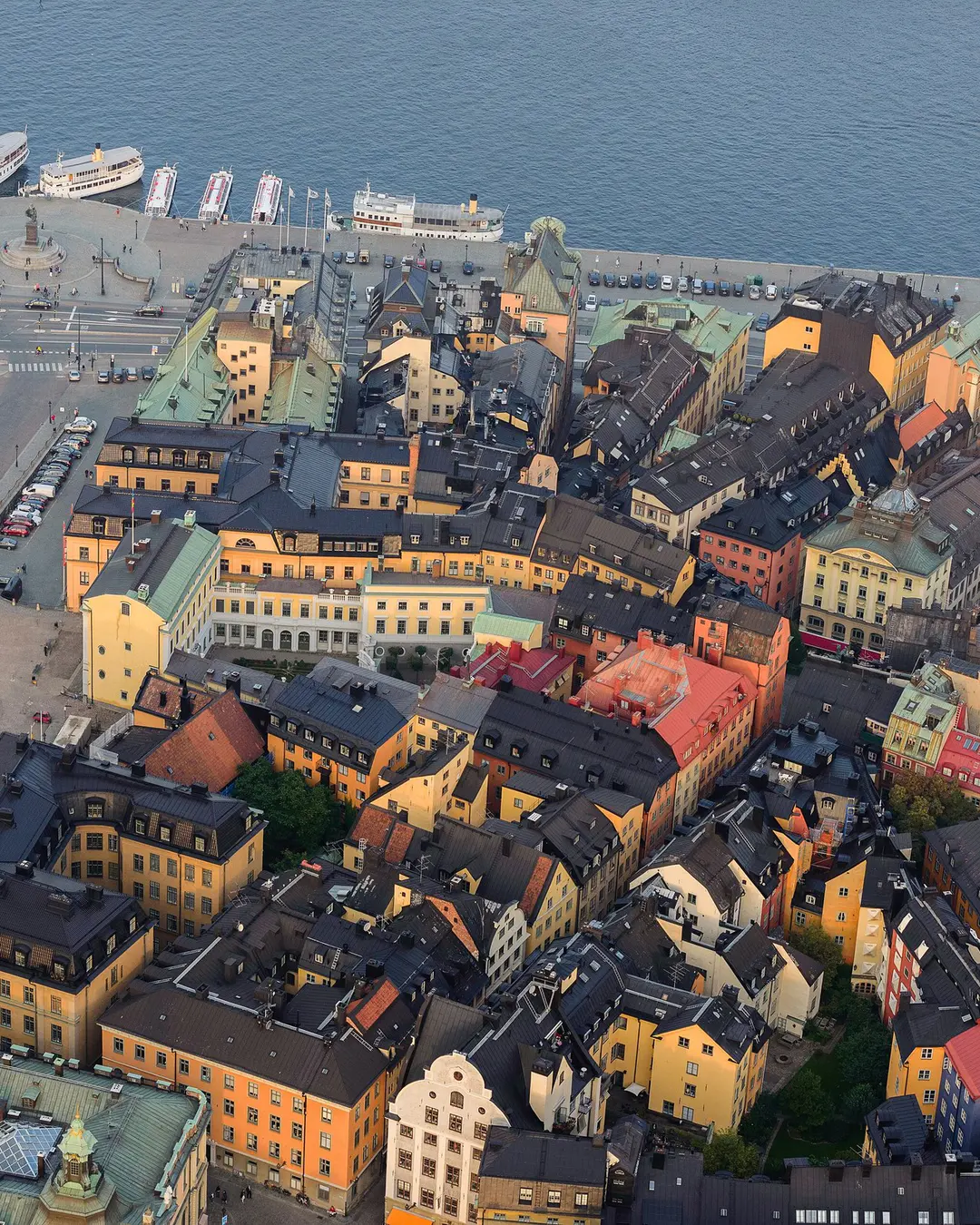
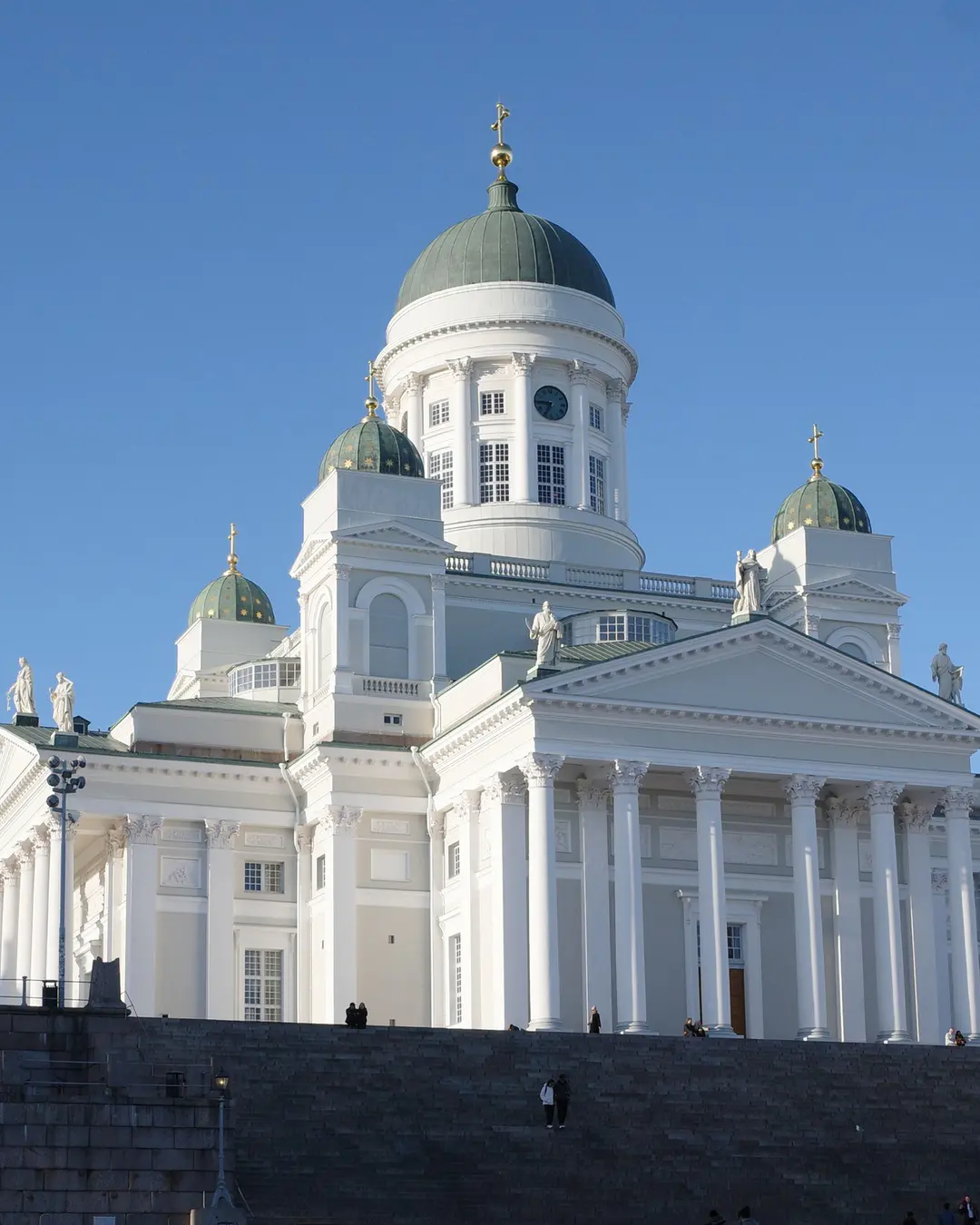
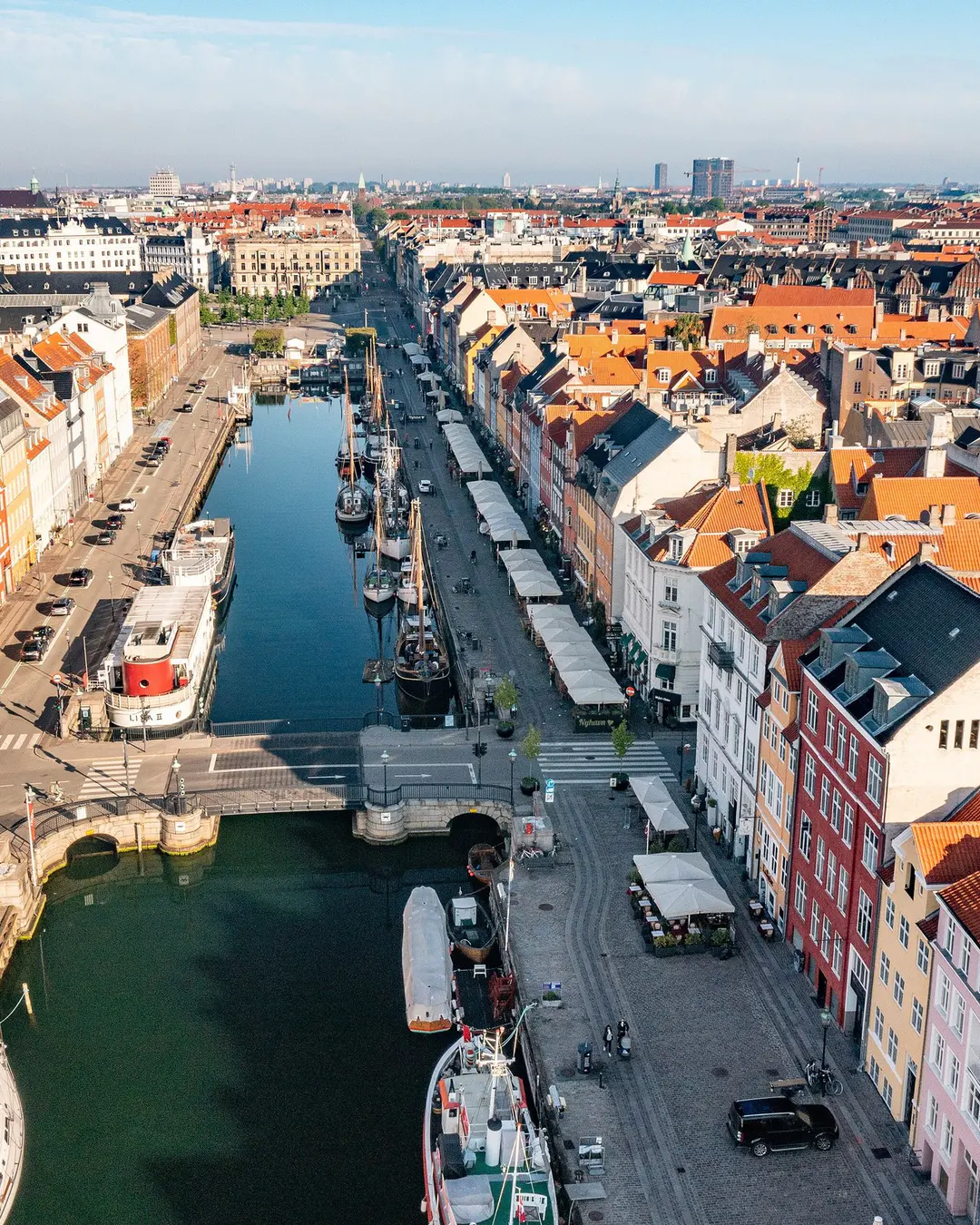
Most international visitors arrive at Keflavík International Airport (KEF), serving the Reykjavík region. Travellers from India can compare connections through major European hubs such as London, Copenhagen, Amsterdam, Frankfurt, Paris, Helsinki and Stockholm.
Shoulder-season travel in May or September can sometimes offer better value than peak summer, although airfares and accommodation prices vary. It can also be useful to compare the overall cost of transport, accommodation, sightseeing and transfers rather than looking at airfare alone.
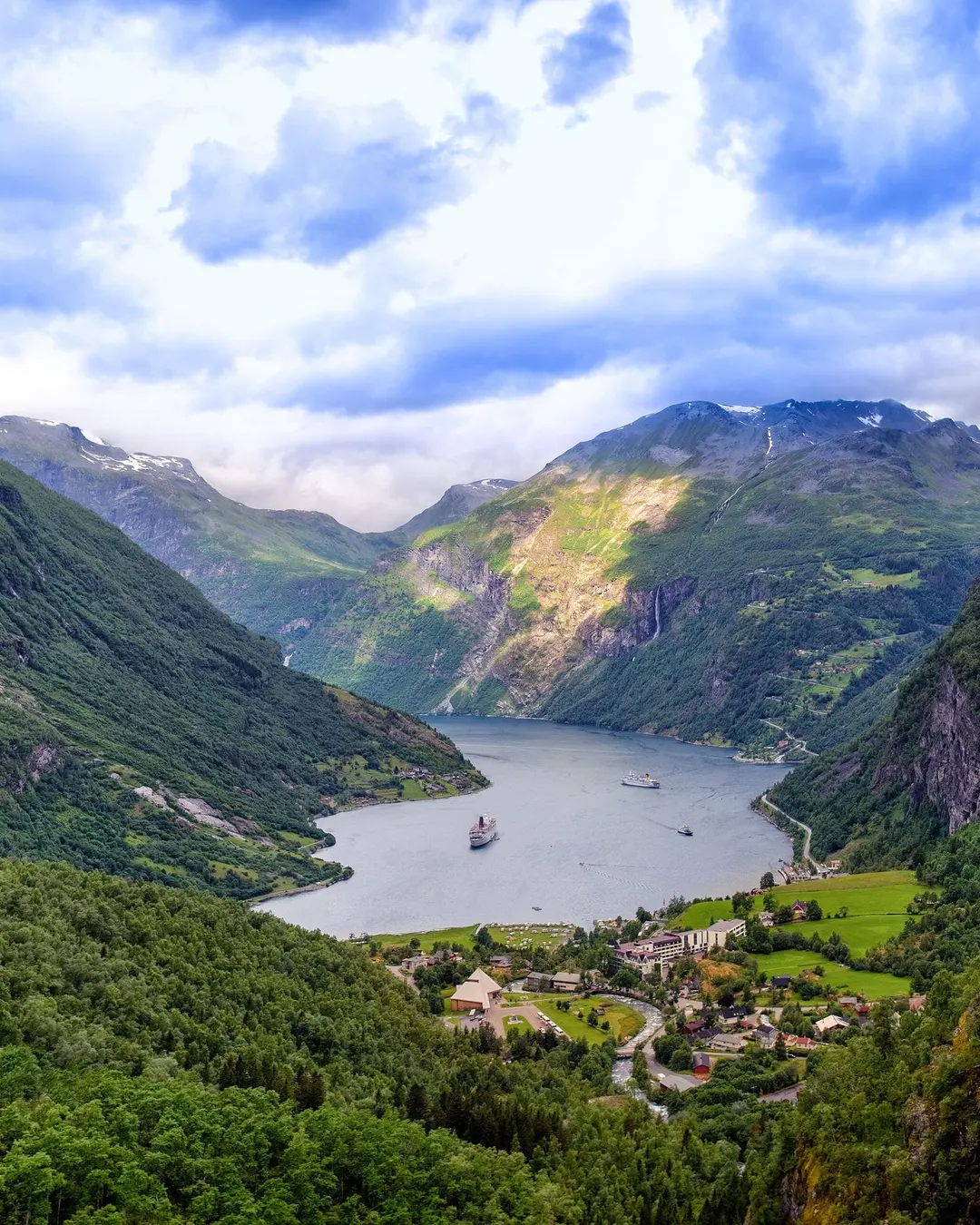
For a larger Europe or Scandinavia holiday, Iceland can be combined with Denmark, Norway, Finland or Sweden, depending on the route and flight availability.
Point 06 / 27
Where to Stay in Iceland
- Reykjavík
- Best for first-time visitors, city sightseeing, restaurants, shopping, Northern Lights excursions and short holidays.
- Vík
- A convenient South Coast base for black-sand beaches, waterfalls, glacier excursions and countryside experiences.
- Akureyri
- Gateway to North Iceland, useful for Lake Mývatn, whale watching, Northern Lights and northern road trips.
- Selfoss
- A practical base for the Golden Circle, South Iceland, waterfalls and geothermal attractions.
- Countryside / South Iceland
- Ideal for dark skies, quiet stays, nature, stargazing and romantic holidays.
Point 07 / 27
Northern Lights in Iceland: What to Expect
The main aurora season generally runs from around September to April. Darkness, suitable cloud conditions and favourable solar activity all matter, so the Northern Lights cannot be promised on any particular night.
For better viewing conditions, spend time away from city lights when possible and keep the schedule flexible. A countryside stay can make the experience more immersive and can offer darker skies than central Reykjavík.
Point 08 / 27
The Golden Circle: Iceland's Classic Scenic Route
The Golden Circle brings together three of Iceland's most recognisable attractions: Þingvellir National Park, the Geysir geothermal area and Gullfoss waterfall. The supplied guide places the round trip from Reykjavík at approximately 250 km.
It is an excellent choice for first-time visitors because it combines geological drama, history and major scenery in a manageable day trip.
Point 09 / 27
Top Places to Visit in Iceland
- Reykjavík
- A compact base for culture, dining, shopping, architecture, museums, waterfront walks and excursions.
- Þingvellir National Park
- A major historical and geological site and a UNESCO World Heritage property.
- Geysir Geothermal Area
- A classic stop on the Golden Circle, showcasing Iceland's geothermal character.
- Gullfoss
- One of Iceland's signature waterfalls and a highlight of the Golden Circle.
- Seljalandsfoss
- An iconic waterfall known for the route behind the falling water when conditions permit.
- Skógafoss
- A dramatic South Coast waterfall and a popular scenic stop.
- Reynisfjara Black Sand Beach
- A striking volcanic beach near Vík; follow local safety guidance around waves and cliffs.
- Jökulsárlón Glacier Lagoon
- A memorable glacier-lagoon landscape with floating icebergs.
- Diamond Beach
- A distinctive coastal viewpoint near Jökulsárlón where ice fragments can appear against black sand.
- Lake Mývatn
- A North Iceland highlight and useful base area for exploring the region.
- Snæfellsnes Peninsula
- A strong option for longer itineraries seeking a varied landscape without committing to the full Ring Road.
Point 10 / 27
6 Historical & Cultural Landmarks to Know
- Þingvellir National Park — a major historical and geological site associated with Iceland's parliamentary tradition.
- Hallgrímskirkja — Reykjavík's most recognisable church and architectural landmarks.
- Harpa Concert Hall — a prominent waterfront cultural landmark.
- Sun Voyager — Sólfar, Jón Gunnar Árnason's famous waterfront sculpture, conceived as a dreamboat rather than a literal Viking ship.
- Skógar Museum — a cultural museum presenting Icelandic heritage, traditional buildings and historical artefacts.
- Reykjavík Old Harbour — a lively waterfront area and a starting point for whale watching, dining and walks.
Point 11 / 27
7 Experiences Worth Building Into Your Iceland Holiday
Iceland is most rewarding when the itinerary mixes iconic sights with time to actually experience the landscape.
- Explore the Golden Circle
- Chase the Northern Lights
- Relax in a geothermal spa or hot spring
- Drive or tour the South Coast
- Walk behind Seljalandsfoss when conditions and access allow
- Visit Jökulsárlón Glacier Lagoon and nearby Diamond Beach
- Take a whale-watching excursion
- Add adventure activities such as snowmobiling, glacier walking, ice-cave experiences or horse riding where season and conditions permit
Point 12 / 27
Iceland for Honeymooners
Iceland suits couples who prefer nature, adventure, wellness and scenic road journeys over a traditional beach honeymoon. The combination of dramatic landscapes and geothermal relaxation can create a trip that feels both active and intimate.
- 7-night honeymoon flow
- Days 1–2 Reykjavík → Day 3 Golden Circle → Day 4 South Coast → Day 5 Glacier Lagoon / Diamond Beach → Day 6 geothermal spa + relaxation → Day 7 Reykjavík departure.
- Romantic experiences
- Northern Lights hunting, a private Golden Circle experience, geothermal spa time, glacier excursions, waterfall photography, a countryside stay, Midnight Sun and a romantic dinner in Reykjavík.
- Best periods
- September–March for a Northern Lights-focused honeymoon; June–August for long daylight and road-trip style; May/September for shoulder-season travel.
Point 13 / 27
Iceland for Families
Families can build a comfortable route around Reykjavík, the Golden Circle, South Coast highlights and geothermal pools. Keep driving days manageable, choose flexible activities and leave room for weather changes.
A focused 5–7 night itinerary can be easier for families than trying to complete a full-country circuit. Nature stops, geothermal bathing and short scenic walks can be balanced with city time.
Point 14 / 27
Adventure in Iceland
Iceland's terrain makes it ideal for travellers who want more than sightseeing. Depending on season, activities can include glacier walks, snowmobiling, ice-cave experiences, hiking, horse riding and whale watching.
Always use appropriate local operators and follow safety instructions. Beaches, cliffs, glaciers and geothermal areas can be hazardous even when they look calm in photographs.
Point 15 / 27
UNESCO & Natural Heritage
- Þingvellir National Park — cultural and geological significance.
- Surtsey — volcanic island formed through an eruption that began in 1963.
- Vatnajökull National Park — UNESCO recognition for the dynamic interaction of fire and ice.
The supplied guide identifies three UNESCO World Heritage properties in Iceland: one cultural and two natural.
Point 16 / 27
Shopping in Iceland: What to Bring Home
- Lopapeysa — the traditional Icelandic wool sweater, recognisable for its circular yoke.
- Icelandic wool products — hats, gloves, scarves, blankets and yarn.
- Icelandic design — home décor, ceramics, jewellery, clothing and local handicrafts.
- Packaged food products — depending on airline and customs rules, options may include chocolate, local salt and licorice.
- Local art — Reykjavík has galleries and independent design stores.
Shopping tip: check labels carefully. “Designed in Iceland” does not necessarily mean an item was manufactured in Iceland.
Point 17 / 27
Icelandic Food & Dining
Food is part of the destination experience, from everyday Reykjavík dining to more ambitious modern cuisine. Travellers can explore local ingredients, seafood, lamb, dairy, breads, pastries and Icelandic specialities while keeping room in the itinerary for casual meals.
The supplied guide notes that current Michelin coverage is concentrated around Reykjavík and Grindavík, with three one-star restaurants listed in its 2026 selection: DILL, ÓX and Moss. Other named dining options in the source include TIDES, Matur og Drykkur, Sümac, OTO, Hosiló, Lóla and The Grill Market.
For Indian travellers, the source identifies Indian and South Asian dining options mainly around Reykjavík and the capital region, with some options elsewhere. Availability and opening hours should be reconfirmed before group bookings. For vegetarian, Jain, vegan, halal or specific spice-level needs, pre-booking and confirmation are recommended.
Point 18 / 27
Budget-Friendly Ways to Travel in Iceland
Iceland can be an expensive destination, so a thoughtful itinerary can make a meaningful difference to the total holiday cost.
- Consider shoulder-season travel rather than the most expensive summer weeks.
- Use guesthouses where suitable instead of premium hotels for every night.
- For groups, consider self-drive arrangements where sharing transport makes sense.
- Reduce unnecessary hotel changes and choose strategic bases.
- Use supermarkets for some meals.
- Mix paid experiences with free scenic attractions.
- Choose a focused 5-night Golden Circle + South Coast route instead of trying to cover the entire country.
Point 19 / 27
Getting Around Iceland: Road-Trip Basics
Route 1, the Ring Road, circles much of Iceland and is approximately 1,322 km long according to the supplied guide. It is paved throughout, but winter weather can lead to temporary closures.
A normal 2WD vehicle can work for many major summer routes, while 4WD can provide greater flexibility. Highland F-roads require appropriate vehicles and insurance. Winter driving needs additional caution, and route conditions should be checked before setting out.
For a short holiday, guided excursions can reduce the need to manage driving and weather. For longer summer journeys, a self-drive itinerary can offer greater flexibility.
Point 20 / 27
Festivals & Cultural Events in Iceland
- Reykjavík Culture Night
- A major annual Reykjavík celebration; the supplied guide records the 2026 edition on 22 August.
- Reykjavík Pride
- A major summer cultural celebration; the supplied guide records the 2026 edition on 4–9 August.
- Reykjavík Jazz Festival
- The supplied guide records the 2026 edition for 25–30 August.
- Iceland Airwaves
- A major multi-venue Reykjavík music festival; the supplied guide records the 2026 edition for 5–7 November.
- DesignMarch
- A major Reykjavík design festival and an official city festival in the supplied 2026–2028 calendar.
- Reykjavík International Film Festival
- A major autumn cultural event.
- Reykjavík Arts Festival
- An arts and cultural event featuring performances and artistic programmes.
- Winter Lights Festival
- A winter Reykjavík-area celebration of light and culture; the supplied guide lists 4–7 February 2027 as the next edition.
Point 21 / 27
Reykjavík City Tour: What to See
- Hallgrímskirkja — iconic church and architectural landmark.
- Harpa — waterfront concert hall and cultural centre.
- Sun Voyager — famous waterfront sculpture.
- Old Harbour — whale watching, restaurants and waterfront walks.
- Laugavegur — major shopping and dining street.
- Perlan — interactive museum and observation attraction focused on Iceland's natural wonders.
- National Museum of Iceland — useful for travellers interested in history and culture.
- Golden Circle day trip — Þingvellir, Geysir and Gullfoss.
Point 22 / 27
Eight Essential Guidelines for a First Iceland Trip
A great Iceland holiday is less about ticking off every attraction and more about creating a route that leaves enough time to enjoy each landscape.
- Keep the itinerary realistic; weather can slow driving.
- Always check road conditions, especially in winter.
- Dress for wind and rain even in summer.
- Treat Northern Lights viewing as an opportunity, not a guarantee.
- Carry swimwear for geothermal pools.
- Book popular activities early during peak summer and Christmas/New Year periods.
- Respect nature, stay on marked paths and follow local safety instructions.
- Keep some flexibility so weather can influence outdoor plans.
Point 23 / 27
What Not to Pack
- Do pack
- Waterproof jacket, waterproof trousers, thermal layers, warm fleece, waterproof shoes, woollen socks, gloves, beanie, sunglasses, swimsuit, power bank, adaptor, camera, small backpack, medicines and reusable water bottle.
- Do not pack
- Too many formal clothes, only cotton clothing, thin fashion shoes, high heels for sightseeing, a bulky suitcase filled with unnecessary winter clothing or inadequate rain protection.
Point 24 / 27
Iceland Itinerary Ideas
- Classic Iceland — 5 nights
- Reykjavík → Golden Circle → South Coast → Reykjavík. Ideal for first-time travellers.
- Iceland Highlights — 7 nights
- Reykjavík → Golden Circle → South Coast → Jökulsárlón → Reykjavík. A fuller first Iceland experience.
- Iceland Honeymoon — 7 nights
- Reykjavík → Golden Circle → South Coast → Glacier Lagoon → Geothermal Spa → Reykjavík.
- Northern Lights Iceland — 6 nights
- Reykjavík → Golden Circle → South Iceland countryside → Northern Lights excursions.
- Winter Wonderland Iceland — 6 nights
- Reykjavík → Golden Circle → South Coast → Glacier experience → Northern Lights.
- Summer Iceland — 8 nights
- Reykjavík → Golden Circle → South Coast → East Iceland → North Iceland.
- Iceland Ring Road — 10 nights
- Reykjavík → South Coast → East Fjords → North Iceland → West Iceland → Reykjavík.
- Grand Iceland — 12 nights
- Reykjavík → Golden Circle → South Coast → Vatnajökull → East Fjords → Lake Mývatn → Akureyri → Snæfellsnes → Reykjavík.
Point 25 / 27
A Simple Way to Build Your Iceland Holiday
- Step 1: Pick the season based on your priority—aurora, winter scenery, summer road trip or long daylight.
- Step 2: Decide your trip length before choosing destinations.
- Step 3: Start with a realistic core route rather than adding every famous place.
- Step 4: Add one or two signature experiences such as a geothermal spa, glacier activity or whale watching.
- Step 5: Keep weather flexibility, especially for long drives and winter excursions.
- Step 6: Reserve important accommodation and activities early for busy periods.
Point 26 / 27
Frequently Asked Questions About Iceland
How many nights are enough for Iceland?
Five nights can work well for Reykjavík, the Golden Circle and South Coast. Seven nights allow a more relaxed first experience, while 10–12 nights provide scope for a larger regional or Ring Road journey.
When is the best time to see the Northern Lights in Iceland?
The main season is generally September to April. Visibility depends on darkness, cloud conditions and solar activity, so sightings are never guaranteed.
Is Iceland good for a honeymoon?
Yes, especially for couples who enjoy dramatic nature, road trips, geothermal bathing, adventure and quiet countryside stays.
What should I wear in Iceland?
Use layers: thermal base layers, warm mid-layers, waterproof and windproof outerwear, waterproof shoes, wool socks, gloves and a beanie.
Can I drive around Iceland?
Yes, but the route and season matter. Route 1 is paved, while weather can affect conditions. Highland F-roads require suitable vehicles and insurance.
Is Iceland suitable for families?
Yes. Reykjavík, the Golden Circle, South Coast and geothermal pools can be combined into a family-friendly itinerary with manageable driving days.
Is Iceland expensive?
It can be. Accommodation, dining, transport and excursions should be budgeted carefully. Guesthouses, supermarkets, strategic bases and focused routes can help manage costs.
What are Iceland's major UNESCO World Heritage properties?
The supplied guide identifies Þingvellir National Park, Surtsey and Vatnajökull National Park.
What is Iceland's Ring Road?
Route 1, commonly known as the Ring Road, circles much of the country and is approximately 1,322 km long according to the supplied guide.
What is the Midnight Sun?
It refers to the exceptionally long summer daylight in Iceland. Around mid-May to mid-July, daylight can extend for very long periods, with the phenomenon especially clear around Grímsey.
Point 27 / 27
Final Travel Thought
Iceland is at its best when the itinerary is spacious enough for the landscape to surprise you. Plan the essentials, prepare for wind and rain, leave room for weather changes and choose experiences that genuinely match the way you like to travel.
Whether your dream is a Northern Lights evening, a summer road trip beneath endless daylight, a romantic geothermal escape or a first family adventure, Iceland offers a rare combination of natural drama and memorable simplicity.
Visa rules, entry requirements, opening hours, festival dates, prices and schedules change from time to time. Please check the latest information before you book — our team will confirm everything for your dates.